
 All blog posts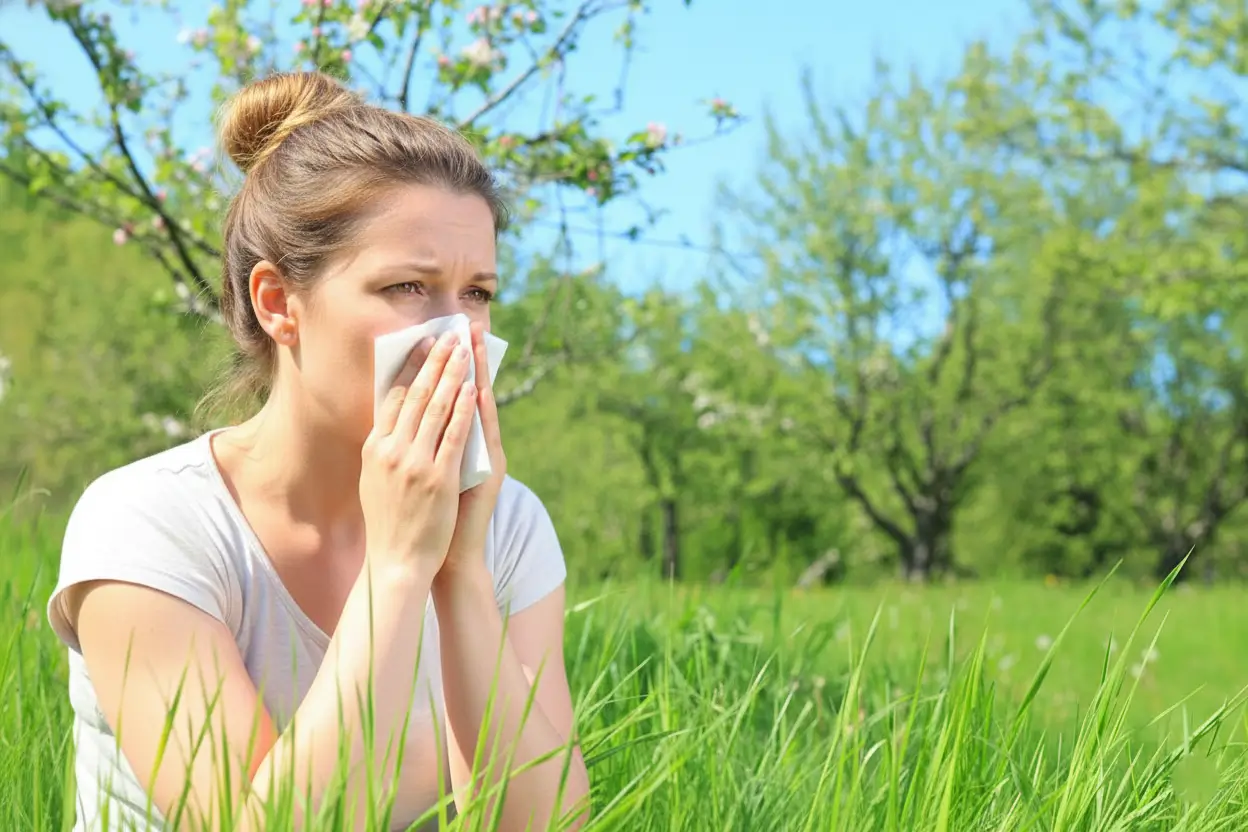
What Does an Allergic Reaction to Grass Look Like?
Ever come home from the park and feel like your skin’s on fire or your eyes suddenly won’t stop itching?
You’re not imagining things – grass allergies can sneak up fast, leaving you frustrated and uncomfortable. The itch, the rashes, the endless sneezing – it’s the kind of misery that drains the joy from outdoor moments.
It usually starts with small bumps – then redness, swelling, watery eyes, and a nose that won’t quit.
Even a short walk in the backyard can turn into hours of discomfort when allergic reactions hit full force.
Austin families and professionals constantly battling grass allergies deserve answers and real relief.
At Frontier Allergy, we’re here to identify your triggers and create a plan that brings trusted, lasting comfort.
Visual Signs of an Allergic Reaction to Grass
Common skin-related symptoms
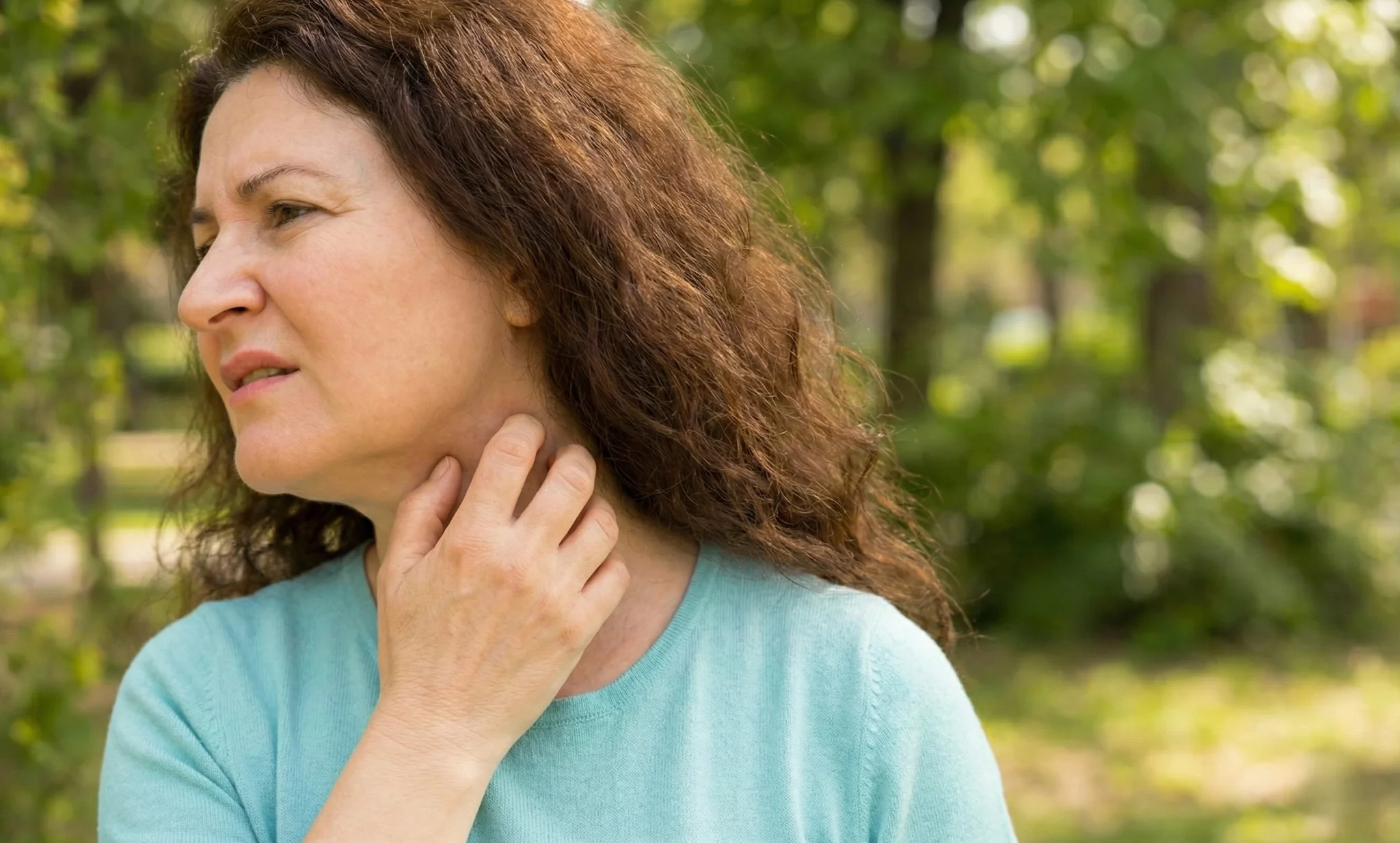
You notice it right after sitting on the lawn – itchy spots that bloom into blotchy patches or raised welts.
These reactions often include red bumps, dry skin, or scaly rashes that cling to your arms or legs.
Known as hives or allergic eczema, these symptoms usually appear where your skin touches the grass.
Legs, arms, and ankles are the most common spots, especially when shorts or sleeves leave skin exposed.
Other allergic reactions
Sometimes the skin isn’t the only thing protesting.
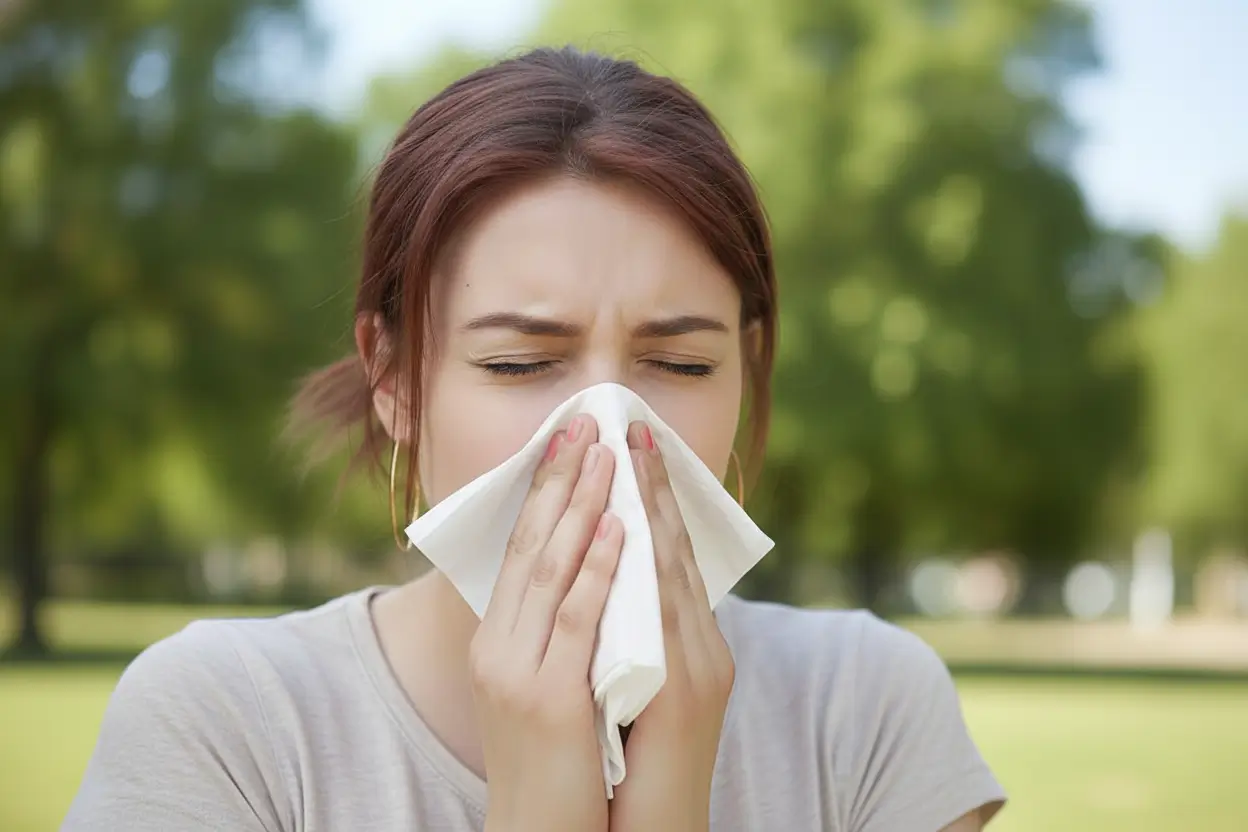
Your nose starts running, eyes turn red, and sneezing becomes nonstop during outdoor strolls.
This is caused by airborne grass pollen, which triggers hay fever – sneezing, watery eyes, postnasal drip, and itchy throats all roll in together.
It’s enough to cut a picnic short fast.
Where symptoms may appear on body
Watch your lower legs and arms; they often react first after walking on a lawn.
Your hands may flare from touching grass, and your face might sting or redden when pollen gets airborne.
Wind can blow allergens right onto your cheeks or neck, making even an afternoon jog enough to trigger discomfort.
At Frontier Allergy, we help identify whether your rash is contact-based or airborne so you’re not left guessing.
Types and Causes of Grass Allergies
Individual grass species that trigger symptoms
Specific grass types pack more punch than others.
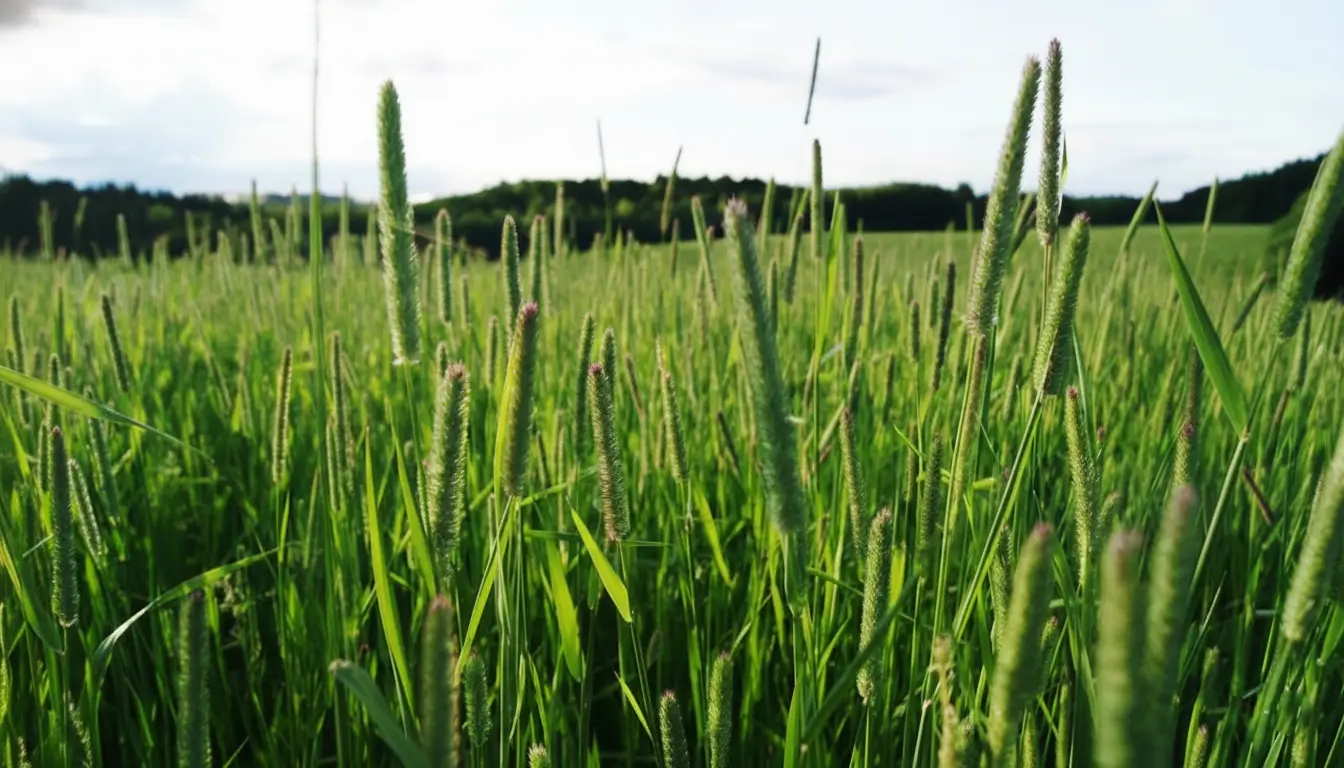
Timothy grass, Bermuda grass, and Kentucky bluegrass are repeat offenders across Austin backyards and parks.
Even brief time around these can spark a flare-up.
If mowing your lawn or walking barefoot causes symptoms, chances are you’re reacting to one of these species.
Causes of allergic reactions
It starts with contact or breathing in pollen.
Your immune system sees grass as a threat and releases histamines, attacking it like it would a virus.
Even foods like melons or tomatoes can cause a reaction due to something called cross-reactivity.
This is known as Oral Allergy Syndrome, where similar proteins confuse the immune system.
Seasonal impact and climate factors
Grass allergies don’t strike year-round.
Late spring through early fall is peak time, especially when the air is dry and winds spread pollen further.
Austin’s warm, breezy weather stirs up pollen clouds, amplifying your allergy risks.
We help patients track pollen patterns and adjust lifestyle habits to reduce flare-ups time after time.
Diagnosing a Grass Allergy
Medical testing options
To find the true source, we suggest skin prick tests or specific IgE blood testing.
These tests measure how your immune system responds to different grass allergens.
At Frontier Allergy, we test for multiple grass types in one session.
You’ll have a clearer picture of what’s causing your itching, sneezing, or rash.
Knowing it’s a grass allergy and not something else
Grass rashes can easily be confused with eczema, bug bites, or poison ivy.
But timing matters – if symptoms follow yard work or park visits, grass could be the culprit.
Children and even pets often react around the same time.
Tracking symptoms across different settings can help pinpoint patterns unique to you or your family.
Professional consultation
If flare-ups keep happening, booking a visit with an allergist is your next best step.
Our board-certified allergist, Dr. Neha Reshamwala, specializes in matching testing results with real-world triggers.
We may recommend patch testing or allergy skin biopsy for lingering rashes.
Whether it’s seasonal or year-round, our Austin-based clinic will build a plan personalized just for you.
Treatments for Grass Allergy Symptoms
Short-term symptom relief
When symptoms strike, it’s about calming the storm.
Over-the-counter antihistamines ease sneezing and itching fast without making you too drowsy.
Creams with hydrocortisone reduce redness and irritation on the skin.
Cool compresses and light moisturizers can soothe burning skin and stop you from scratching.
Long-term treatment options
For lasting results, allergy shots help your body build tolerance over time.
This structured treatment reduces symptoms year after year.
Sublingual tablets are another choice for pollen-specific relief.
Some patients even benefit from new options like ExACT Immunoplasty for quicker relief with fewer treatments.
Natural and home remedies
Some families turn to oatmeal baths, barrier creams, or even local honey.
Though honey’s effects aren’t proven, it’s a popular supportive remedy.
Applying lotion before yard work may create a layer that reduces pollen contact.
We guide patients on safe home care that complements medical treatments.
When the Outside Hurts More Than It Heals
That itchy rash, those red eyes, the sneezing fits – they’re not just bad luck. They’re your body’s way of waving a red flag. And if they flare up after mowing the lawn or playing in the park, it’s no coincidence.
If these reactions show up like clockwork around fresh-cut grass or outdoor play, they may be more than seasonal annoyances. Recognising these signs early can help prevent bigger flare-ups and get you some real relief.
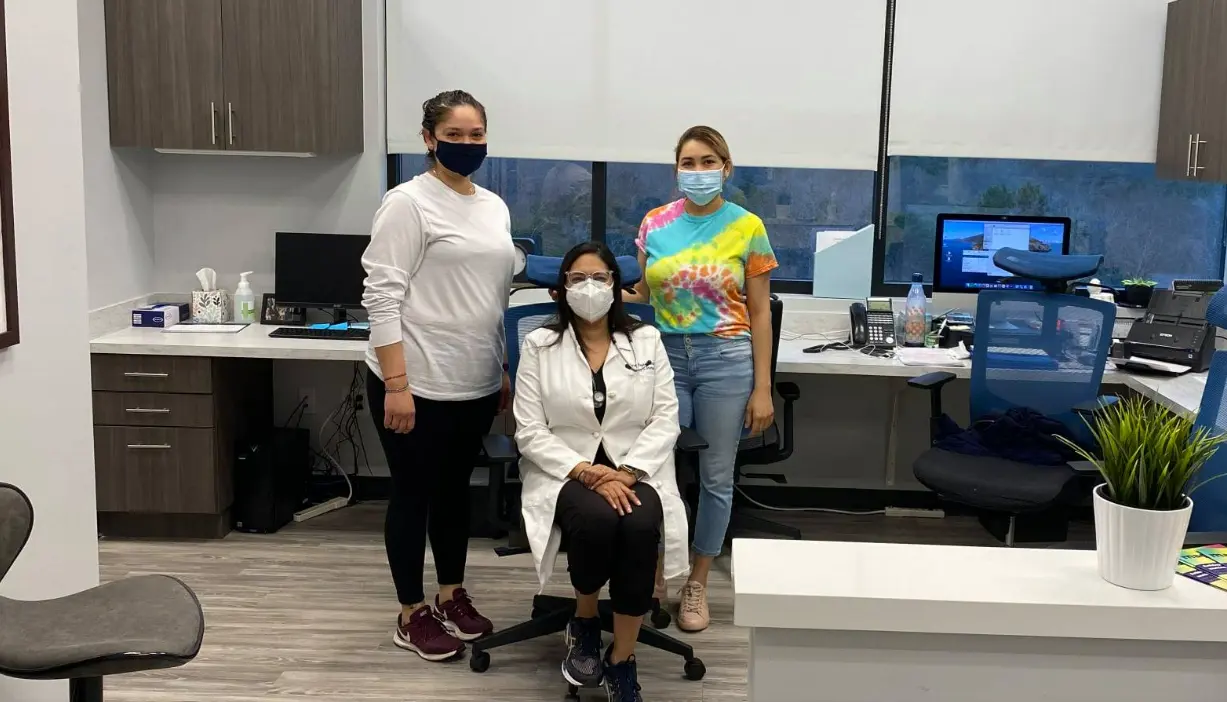
At Frontier Allergy, Asthma, and Immunology, we help Austin families recognise and treat these signs with customised care. Book a consultation with us – we’re here when your symptoms aren’t just “in your head.”

Written/Reviewed by: Dr. Neha Reshamwala
NPI number: 1780874578
Page last reviewed: 02/27/2026