
 All blog posts
Can Seasonal Allergies Cause Hives?
Spring breezes feel great until your skin reacts like it’s under attack. You expect sneezing, not itchy welts. It’s frustrating to battle invisible irritants that leave visible marks, and many people start wondering: Can seasonal allergies cause hives?
The answer is yes, allergens like pollen don’t just mess with your nose; they can confuse your immune system, too. That confusion sometimes shows up as hives, especially during peak allergy seasons.
If you’re in Austin and dealing with confusing skin flare-ups each spring or fall, you’re not alone. Understanding how seasonal allergies trigger skin reactions can help you find relief — and stop the itch before it starts.
We at Frontier Allergy help identify what’s triggering your symptoms and treat it with precise care.
Understanding the Link Between Seasonal Allergies and Hives
When your skin suddenly floods with red, itchy bumps just as trees start blooming or grass gets cut, it’s not a coincidence. These hives aren’t random – they could be your immune system’s overreaction to seasonal invaders like pollen. For many in Austin, seasonal allergy hives are more common than most expect. At Frontier Allergy, we’ve seen firsthand how allergies can confuse the body into waging war on your skin instead of irritants.
How seasonal allergies affect the immune system
Your immune system should protect you – but sometimes, it gets the message wrong. Instead of calmly ignoring pollen, it fires off chemicals like histamine. That’s where hives step in as an unexpected companion to sniffles and itchy eyes. People often don’t link red welts to allergies, but they’re often one and the same in response to seasonal triggers.
Common allergens that may trigger hives
Pollen doesn’t just float on the wind – it lands on clothes, enters your nose, and sometimes irritates your skin. Tree pollen in early spring and grass or weed pollen later in the year are huge culprits. For some Austin residents, even a quick walk outside can result in itchy skin from these floating irritants.
Skin’s response to environmental allergens
When pollen or other allergens touch sensitive skin, your body may misread it as a threat. This triggers the release of histamine under the skin’s surface, causing swollen bumps, redness, and warmth. It’s a common reaction that leaves many people wondering, Can seasonal allergies cause hives?
The answer is yes. Flare-ups often follow yard work or time outdoors, especially in high pollen count areas across Central Texas, where allergens are abundant and the immune system can easily overreact.
Symptoms and Appearance of Allergy-Induced Hives
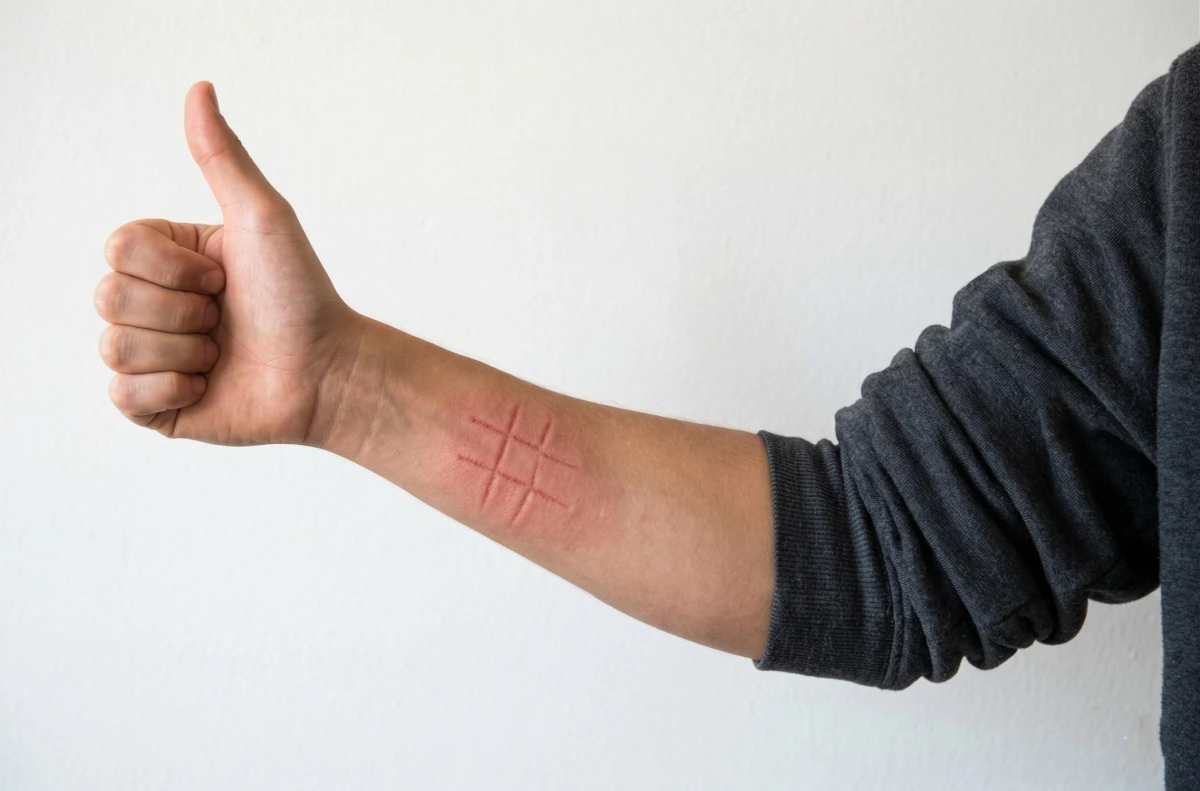
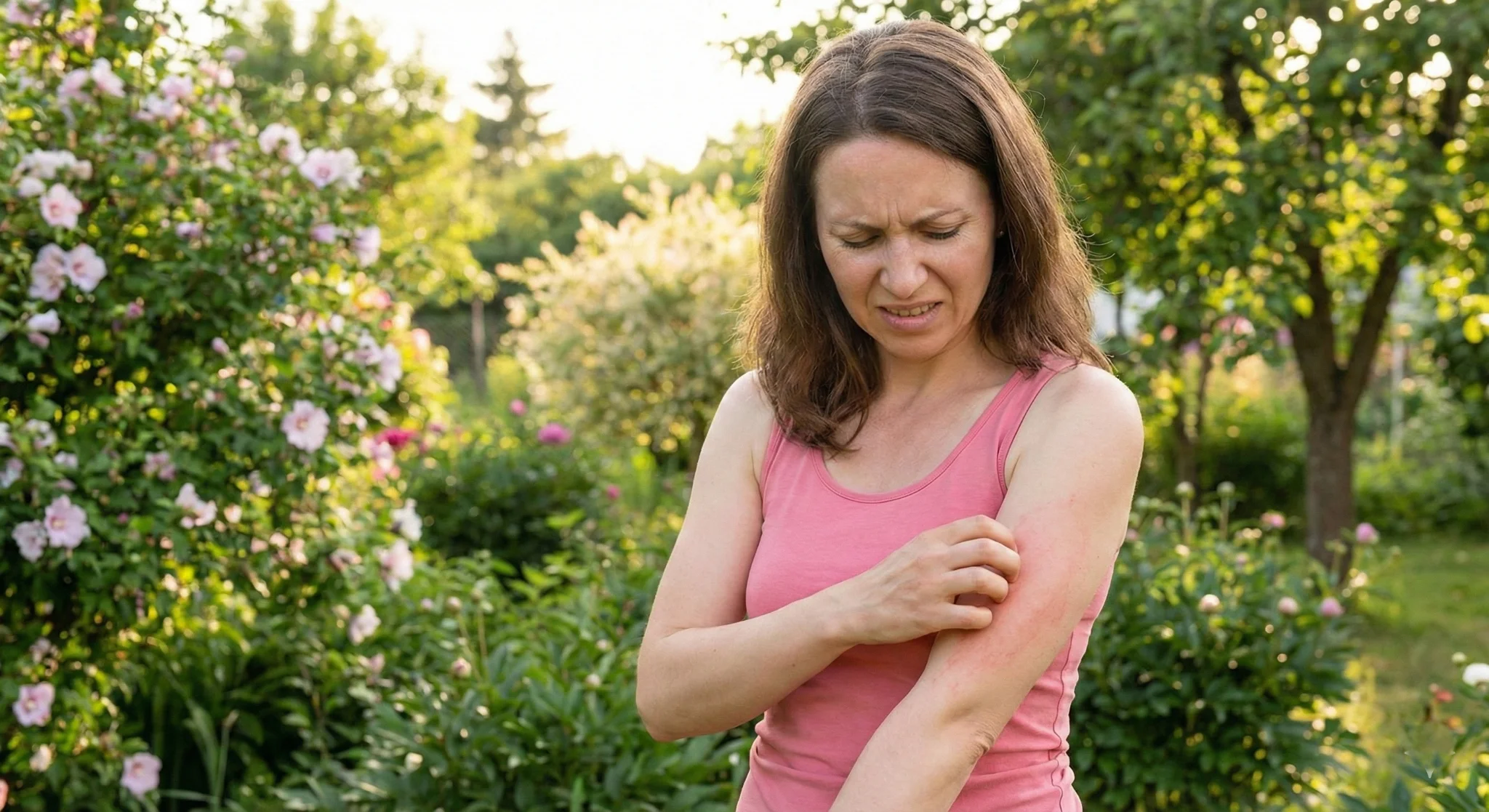
It might begin as a light itch and then – suddenly – your skin blooms with pink or red blotches. Allergy-related hives show up fast, change shape quickly, and often appear in waves. They’re usually raised and feel slightly warm, unlike other rashes that remain flat and consistent.
Identifying seasonal allergy hives vs. other skin reactions
It can feel tricky at first, but allergy-linked hives often stand out. Unlike eczema or contact dermatitis, these hives fade and reappear throughout the day. Their pattern depends on your exposure. If they appear after time outdoors and vanish indoors, you may be looking at a seasonal allergy effect.
📖 People also read about:
Areas commonly affected by hives
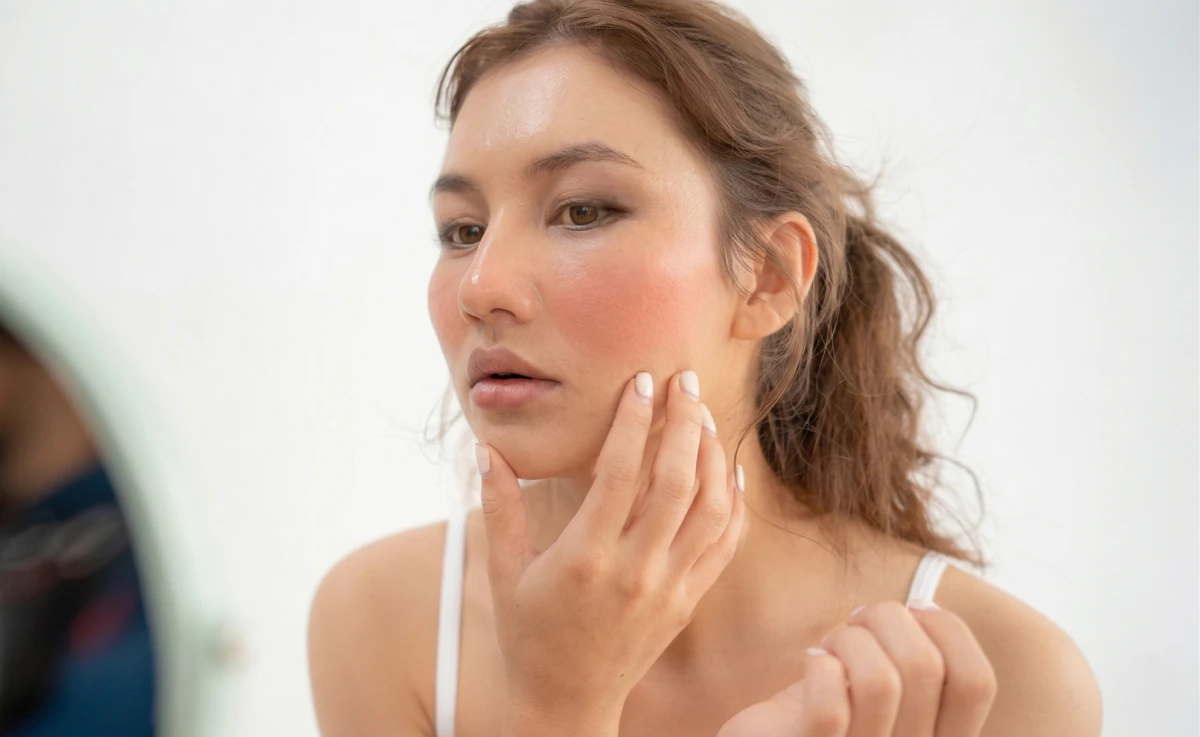
The face tends to suffer the most. Cheeks, forehead, and areas around the eyes are prone to pollen, as it easily sticks to hair and facial skin. But arms, neck, and legs can also be targets. It often looks like a heat rash, but moves around more and fades faster.
Seasonal patterns and timing of outbreaks
If welts arrive with the bluebonnets or again when leaves start to fall, it’s not by chance. Spring and fall allergies tend to peak in Austin, and so do related skin symptoms. Early spring pollen and ragweed in the fall are among the most common triggers our patients face.
Causes and Contributing Factors
Hives don’t show up out of nowhere – there’s usually a trigger. And for many living in Austin, seasonal allergens are the root cause behind these frustrating skin outbreaks. Timing, weather, and even wind exposure all factor into how strong a skin reaction can become.
Tree and pollen-based allergens as triggers
We routinely see oak and cedar pollen as key troublemakers. Some people notice direct skin irritation from falling pollen, especially during cedar fever in the winter-spring transition. These allergens differ in severity from patient to patient but can create wildly different hive appearances.
Additional environmental contributors
Pollution can weaken your skin’s defenses. When mixed with pollen, it becomes far more irritating. In Austin, nearby roadways and construction dust often combine with natural allergens, making symptoms stronger. Sneezing might be the start, but inflamed skin often follows closely behind.
Factors increasing skin sensitivity
Not everyone gets hives, but dry skin, existing eczema, or even sun exposure can amplify the response. Children and older adults may also develop hives faster due to thinner, more reactive skin layers. Add fluctuating weather or poor air quality, and it all adds up quickly.
📖 People also read about:
Treatment and Management Strategies
At Frontier Allergy, we believe managing allergy-induced hives is more than just applying lotion – it requires understanding each patient’s trigger and tailoring approaches that work long-term. Relief is not only possible, but reachable with the right steps and tools.
Over-the-counter remedies and relief options
Mild cases often respond well to over-the-counter oral antihistamines. Applying a cool compress soothes swollen skin, especially on the face. Moisturizing helps support your skin’s outer barrier and may reduce the itching that leads to more inflammation.
When to seek medical intervention
If hives keep returning or appear alongside trouble breathing, it’s time to consult a specialist. At Frontier Allergy in Austin, Dr. Reshamwala and our care team specialize in identifying cases like these and treating them early – especially when over-the-counter solutions fall short.
Practical daily prevention tips
Rinse off after time outdoors. Use barrier creams when gardening or jogging. Wear long-sleeved shirts on high pollen days. Even simple steps like keeping windows closed can help. We often see the best results when lifestyle shifts match treatment plans.
💡 Need help?
We offer professional seasonal allergies to help you achieve your goals.
Long-Term Prevention and Lifestyle Adjustments
If you’re tired of the same skin outbreaks year after year, making year-round changes can reduce flares. Frontier Allergy helps patients create realistic routines that protect against triggers before symptoms even start.
Limiting contact with known triggers
We always suggest checking pollen counts before heading outside. Wear a hat and sunglasses to limit facial exposure. Showering and changing clothes promptly after outdoor exposure are small acts that make a big difference in allergy seasons like spring and fall.
Incorporating healthcare advice year-round
Consistent care wins. Patients staying in touch with our team throughout the year often experience fewer symptoms, not just better symptom control. Year-round management of nasal allergies can reduce skin-related flare-ups caused by persistent environmental exposure.
Skin care routines during allergy seasons
Using gentle cleansers and fragrance-free moisturizers during peak allergy times helps safeguard the skin. Avoiding products with alcohol and exfoliants stops further irritation. At our Austin clinic, we often guide patients on allergy-season skincare specifically tuned to their sensitivity levels.
Hives That Came Out of Nowhere? You’re Not Imagining It
One minute you’re enjoying a sunny afternoon, the next you’re battling itchy welts with no clear cause. That suspicious timing with the blooming trees or freshly mowed grass may not be random at all.
Many people ask, Can seasonal allergies cause hives? The answer is yes, your immune system can respond to seasonal triggers in ways that go beyond sneezing and watery eyes. Sometimes, that response includes developing hives. Understanding this connection can help you spot patterns and take smart steps to minimise flare-ups.

At Frontier Allergy, Asthma, and Immunology, we help Austin-area families understand unusual symptoms like hives and get real answers. Book your consultation today and let us help unravel what’s really happening with your skin.

Written/Reviewed by: Dr. Neha Reshamwala
NPI number: 1780874578
Page last reviewed: 02/10/2026