
 All blog posts
Do Allergies Make You Sleepy?
Dragging through the day with heavy eyelids and brain fog feels like walking through wet cement.
If you’re constantly exhausted and wrestling with seasonal sniffles, allergies might be stealing your energy without you noticing.
The sneezing, itchy eyes, and congestion don’t stop when the symptoms fade – they linger in your body like a dimmer switch on your energy.
Add disrupted sleep and allergy meds to the mix, and suddenly, you’re more tired than you were before allergy season hit.
At Frontier Allergy, Asthma, and Immunology, we see this every day in our Austin community.
We help families and professionals finally make the connection – and find real relief that restores clarity and rest.
How Allergies Affect Energy Levels
That wave of exhaustion that hits after a round of sneezing isn’t just in your head.
Allergy-related fatigue is more common than most people realize – and it can creep in when you least expect it.
As allergens enter your body, your immune system jumps into defense mode, unleashing histamines that lead to inflammation.
This response drains energy reserves fast. Pollen, mold, dust mites, and pet dander are major culprits that tax your system and leave you feeling wiped out.
At Frontier Allergy, Asthma, and Immunology here in Austin, we regularly treat patients who feel as if they’re always running on low battery thanks to their allergies.
The link between allergies and fatigue
Think of your immune system during allergy season like a motor running nonstop – it eventually overheats.
Histamines cause inflammation in nasal passages and eyes, but they also increase overall energy demand in the body.
Whether you’re allergic to spring pollen or indoor triggers like mold, your body diverts energy to fight what it sees as invaders.
This causes a sluggish feeling, daytime sleepiness, and even brain fog.
Many of our Austin patients are surprised to learn that their tiresome “cold” symptoms are actually allergic reactions wearing their bodies down with each season.
Common symptoms of allergy fatigue
If you’ve felt exhausted regardless of rest, allergies may be at the root.
Trouble concentrating, morning grogginess, and overall sluggishness are common signs of allergy-induced drowsiness.
Congestion disrupts airflow, making it harder to fall and stay asleep.
This leads to chopped-up rest and more yawns during the day.
We often hear from both adults and kids at our clinic who experience this haze each spring or fall, even with plenty of sleep.
Impact of Allergies on Sleep Quality
Rest should rejuvenate – but not when allergies keep interrupting it.
Feeling drained despite a full night’s sleep can be frustrating and confusing.
Seasonal allergens are notorious for disrupting deep rest.
At Frontier Allergy, addressing these issues transforms how our patients sleep and feel every morning.
How nasal symptoms disturb rest
Blocked noses and postnasal drip make breathing tricky – especially at night.
Many people wake frequently, snore, or even experience mild apnea tied to allergies.
📖 People also read about:
Irritated sinus tissues can swell up while lying down, making symptoms worse in bed.
It’s no surprise so many leave the covers in the morning feeling groggy instead of refreshed.
Our patients notice real changes in sleep once those nightly allergy disruptions are treated properly.
Sleep patterns and circadian impact
Allergy flares don’t care if you need to be up early.
They interfere with natural circadian patterns, making falling asleep – and staying asleep – a challenge.
During peak allergy seasons, patients often sleep lighter and lose crucial REM cycles.
Antihistamines may ease symptoms but come with unwanted drowsiness the next day.
Helping patients in the Austin area balance symptom relief with healthy sleep is something we focus on closely at Frontier Allergy.

Allergy Medications and Drowsiness
Relief from allergies often comes at a price – drowsiness.
The kind that hits by mid-morning and lingers all day isn’t always the allergy itself but what’s in your medicine cabinet.
That’s why we guide our patients with treatment plans that align with their sleep needs without sacrificing daytime focus.
Sedating vs. non-sedating antihistamines
Some allergy meds act like a softly swinging hammock, pushing you right into nap mode.
Older options like Diphenhydramine and Hydroxyzine block histamine but cross into the brain, leading to significant drowsiness.
Newer alternatives like Loratadine or Fexofenadine don’t cause as much sleepiness since they stay out of the brain.
We help each patient decide based on how much rest versus alertness they need.
Personalizing medication choice is key so that allergies don’t cost energy or productivity.
Drowsiness related to specific medications
Some medications are sneakier than they seem.
📖 People also read about:
Zyrtec, for instance, often causes “next-day fog” even when taken at night.
Claritin is milder but when combined with decongestants, can still interrupt sleep cycles.
Fexofenadine, known as Allegra, is usually gentler but for a few, even it carries some fatigue risk.
When medication makes things worse, we work with patients to adjust their regimen until drowsiness fades without sacrificing allergy support.
Steps to Manage Allergy-Induced Sleepiness
When allergies rob your energy, it’s not just about treating the sniffles.
You also need to tweak your routine and environment for lasting results – and better sleep.
We see great improvements when simple habits line up with personalized treatment.
Lifestyle changes for better rest
Your bedroom should be a break from allergens, not a trigger zone.
Using HEPA filters, allergy-proof bedding, and keeping pets out of the room can help reduce nighttime symptoms.
A cool, clean space with consistent sleep hours trains your body to rest more easily.
Drinking plenty of water also thins mucus, easing congestion that interferes with rest.
💡 Need help?
We offer professional thank you to help you achieve your goals.
Many of our Austin patients love how small tweaks like these lift the fog they’ve lived with for years.
Natural support and nutrition
Your plate plays more of a role in allergy fatigue than you’d expect.
Fruits, veggies, and foods rich in omega-3s can calm inflammation and support sleep.
We often recommend avoiding histamine-heavy items like aged cheese or cured meats during peak symptoms.
Stay hydrated, go for a gentle walk, and substitute heavy meals with lighter dinners during allergy flares.
These simple adjustments can do wonders for sluggish afternoons and restless nights.
Medical Solutions and When to Seek Help
If you’re constantly dragging and over-the-counter remedies aren’t enough, it’s time to get to the root.
At Frontier Allergy, we look beyond surface symptoms to understand what’s really going on with your immune response.
Allergy testing and diagnosis
Exhaustion shouldn’t be a mystery.
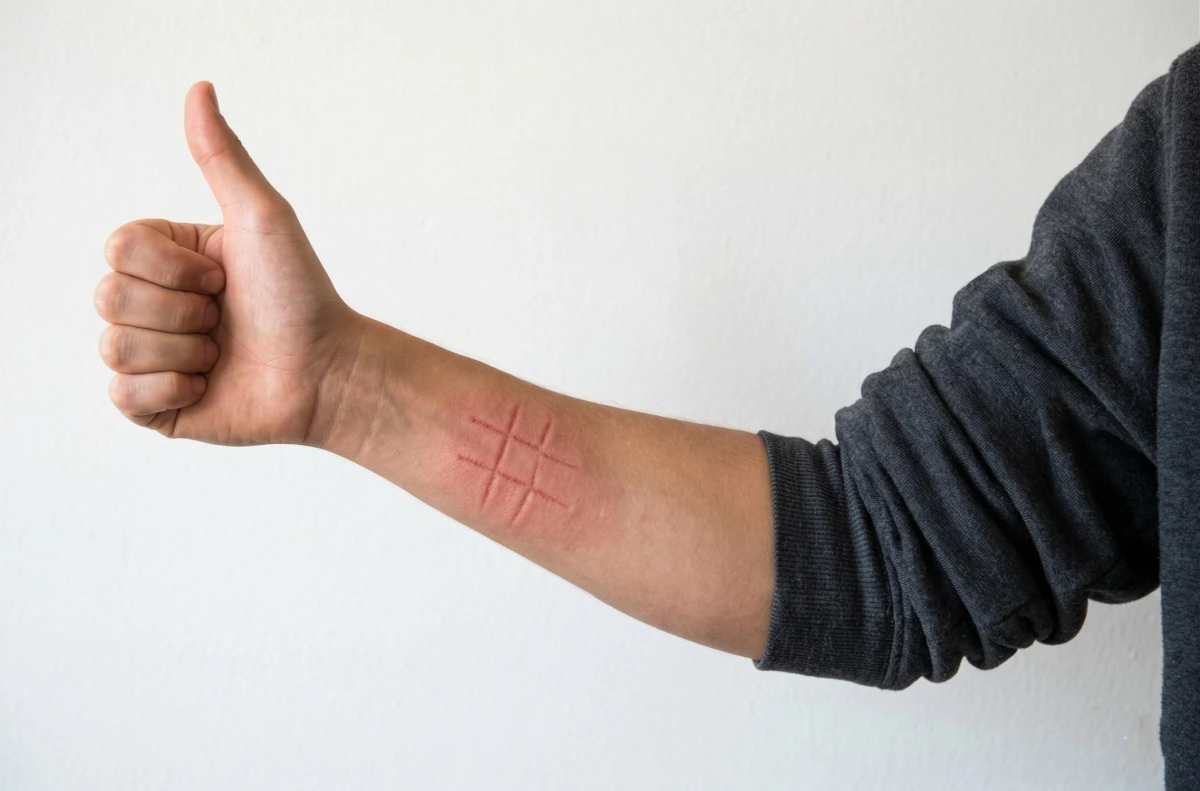
We use skin prick tests, blood work, and full histories to pinpoint whether allergies are behind your low energy.
Other health issues can mimic these symptoms, so accurate diagnosis matters.
We make special considerations for kids, with safe and friendly options suited for younger patients.
Everything takes place right at our Austin office, guided by years of research-backed and patient-centered care.
Why You’re So Tired – and What No One Told You
You push through the day with heavy eyelids, wondering how your body can feel this drained from just being outside. Turns out, there’s a clear reason behind the fatigue – and no, it’s not just poor sleep or too much screen time.
It all comes down to how your immune system reacts. That constant fight inside your body? It steals energy, leaving you foggy, sluggish, and ready for bed by midday – even if you just got up.
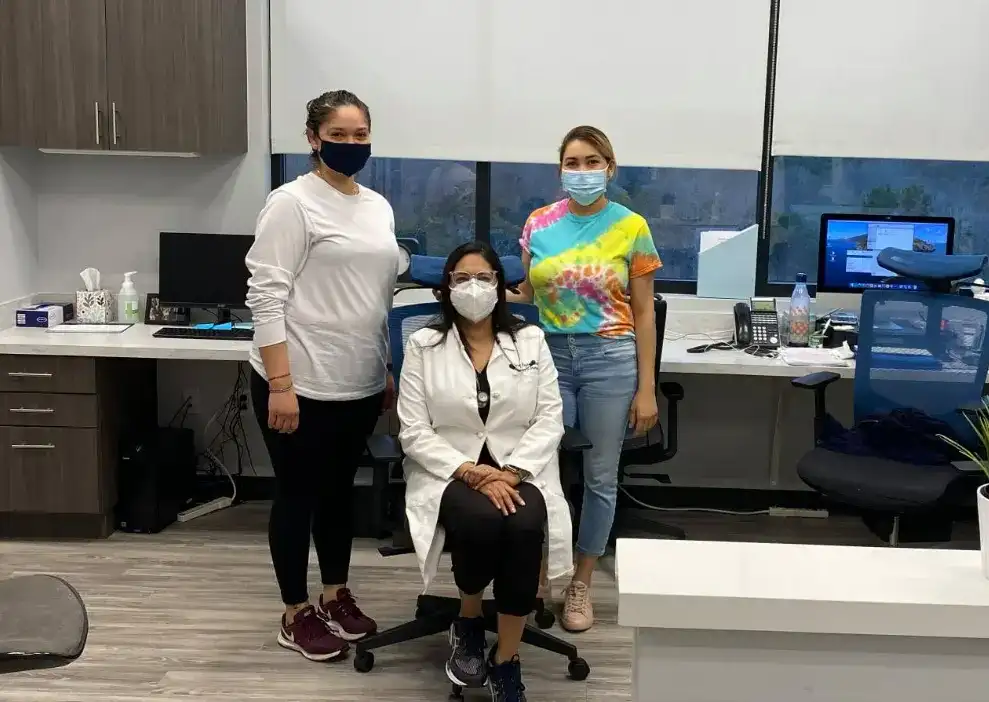
At Frontier Allergy, Asthma, and Immunology, we help identify what’s behind your exhaustion and create personalised care for lasting relief. Book a consultation today and feel like yourself again.

Written/Reviewed by: Dr. Neha Reshamwala
NPI number: 1780874578
Page last reviewed: 04/23/2026