

 All blog posts
Can Pollen Allergies Cause Sore Throat?
Has your throat felt scratchy, dry, and sore – but you haven’t been sick? Sound familiar? You’re not alone. Springtime often means hiding indoors for many, as allergies stir up daily discomfort. And that’s where frustration really kicks in.
Sore throats from pollen exposure often sneak in with postnasal drip, sinus irritation, and throat dryness that lingers. Talking over the noise of symptoms, staying productive, or helping your child sleep becomes yet another uphill task.
At Frontier Allergy, we meet Austin families who live this story too often – and we’re here to help you feel better. We provide expert evaluation and custom treatment so fewer symptoms get in the way of your everyday life.
What Are Pollen Allergies and Their Typical Symptoms?
That scratchy feeling behind your nose or burning eyes isn’t your imagination – it might be your body’s reaction to pollen. For many in Austin, springtime signals the return of sneezing, congestion, and watery eyes that make daily life a hassle.
1. Common Reactions to Pollen Exposure
Pollen allergies often start with a simple sneeze. Then you might feel stuffed up, your eyes get itchy, and your throat starts to dry out. Some also experience postnasal drip, which can lead to mouth breathing and a sore or irritated throat by the end of the day.
2. Seasonal Pollen Types and Timing
Tree pollen hits first in early spring, especially from oaks and cedars in Central Texas. Grass pollen follows by late spring into summer, with culprits like Kentucky bluegrass and Bahia. Then by late summer and early fall, ragweed and other weeds cloud the air and bring back throat irritation.
3. Pollen-Induced Throat Complications
As pollen levels rise, so do throat problems. A scratchy throat might show up just from breathing outside air. Some people also feel soreness from inhaling pollen, especially when spending more time outdoors. And as seasons shift, the constant exposure can lead to lasting discomfort in the throat.
Connection Between Pollen Allergies and Sore Throat
If your sore throat sticks around but you haven’t caught a cold, allergies might be the hidden reason. Austin’s pollen-heavy skies don’t just affect your nose – they trigger throat troubles too.
How Allergies Irritate the Throat
Postnasal drip is a common irritant, slowly trickling down and inflaming the throat lining. Breathing through your mouth to avoid congestion also allows dry air – and pollen – right into your throat. Frequent coughing then adds fuel to the irritation, leaving your throat raw by nighttime.
When Pollen Triggers Sore Throat
When pollen counts spike, sore throats become much more common. Symptoms often worsen on windy or dry days when pollen spreads easily. Tree pollen and grass pollen both relate closely to increased sore throat complaints during spring.
Distinctive Allergy-Related Throat Signs
Unlike infections, allergic sore throats feel itchy or scratchy rather than painful. Swelling may be mild and comes with other allergy signs like nasal stuffiness or watery eyes. Itchiness deep in the throat usually leans more toward allergy than illness.
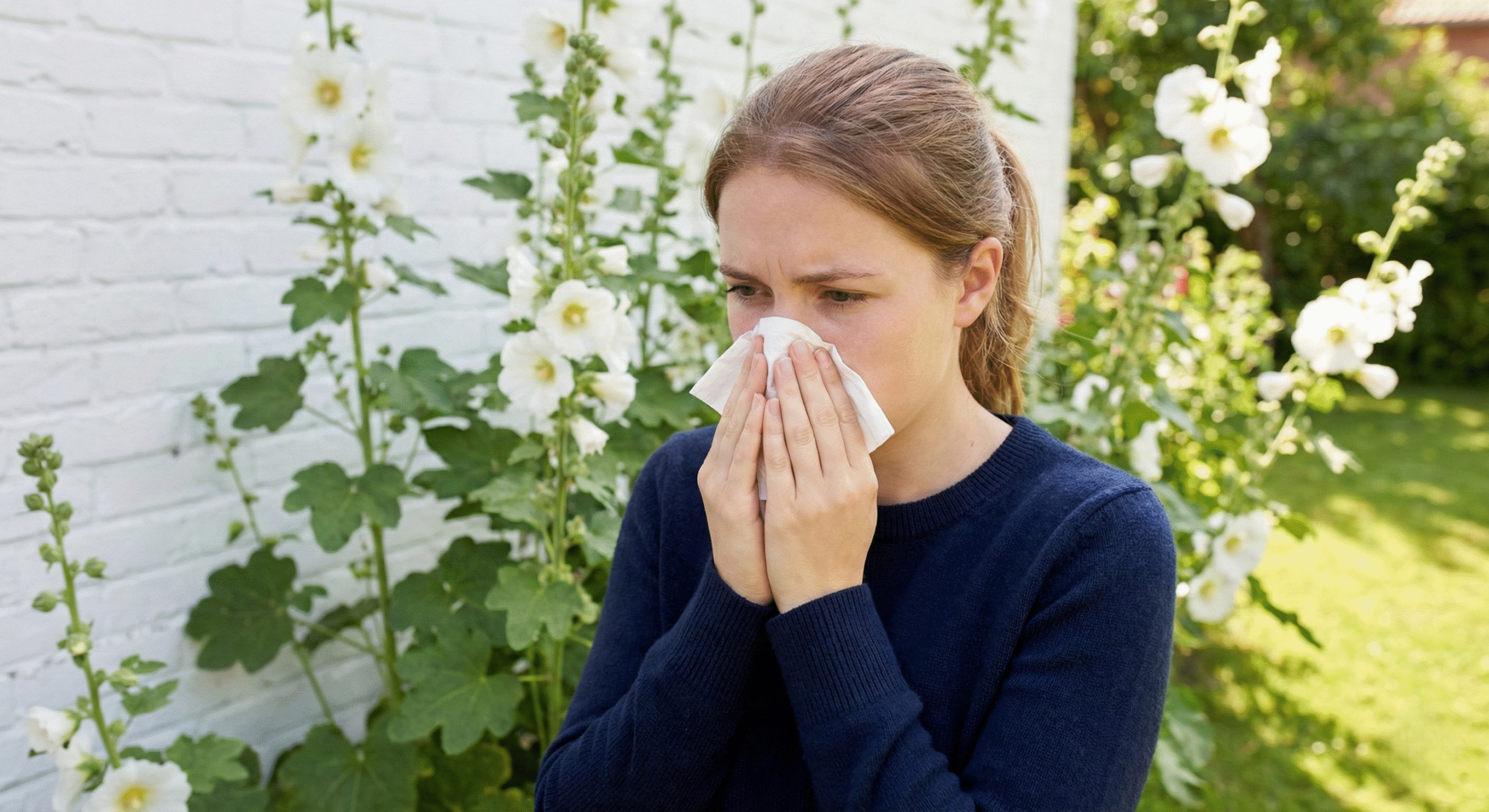
How High Pollen Counts Affect the Throat
When pollen fills the air, it doesn’t just stay in your nose – it irritates your entire respiratory system. In the Greater Austin area, that often means recurring throat discomfort from spring through fall.
📖 People also read about:
Sources of Airborne Pollen
Birch, oak, and cedar trees are major contributors during early spring. Grasses like Bahia and Kentucky bluegrass take over in summer. Ragweed and other late-blooming weeds dominate in the fall and linger in the air.
Throat Discomfort During Peak Seasons
Our allergy team at Frontier Allergy sees an uptick in throat-related visits from March through October. Pollen tracking helps identify patterns – many notice their sore throats flare around the same dates each year. Spending time outdoors during these high-count days often aggravates the throat further.
Inflammation and Immune Response
Your immune system ramps up against invading pollen, leading to swelling and redness in the throat. In some, this response intensifies over time, leaving the throat sensitive to touch or air. Continued exposure without treatment may lead to longer-lasting symptoms or even chronic irritation.
Distinguishing Allergy Sore Throat from Other Conditions
Not every sore throat signals a cold or infection – especially if it is recurring, and around the same time each year in Austin. Spotting the subtle differences helps you avoid unnecessary antibiotics and guides you to the right care.
1. Differences from Viral or Bacterial Illness
Allergy-related sore throats don’t usually come with body aches or fever. They often appear alongside sneezing, itchy eyes, and nasal congestion. These symptoms may last for weeks but align with outdoor pollen peaks.
2. Allergies Versus Conditions Like COVID or Strep
Unlike illnesses that strike suddenly, allergy symptoms build up and recur each year. They aren’t spread from person to person. They also tend to improve with antihistamines instead of antibiotics.
📖 People also read about:
Diagnosis and Testing for Pollen Allergy
Getting answers at our Austin clinic might be easier than you’d think. We use precise testing methods to pinpoint exactly what’s causing your issues – including that nagging sore throat.
Skin Prick Test and IgE Blood Test
Through skin testing or a simple blood draw, we can identify your allergies by tracking IgE antibodies. Knowing which pollen you’re sensitive to allows for a focused and effective treatment plan.
Importance of Tracking Pollen Patterns
Keeping track of which seasons your symptoms appear helps us target solutions. Many of our patients use mobile apps or local pollen forecasts to stay informed and proactive.
Treatment Options for Allergy-Related Sore Throat
Finding relief means treating both the cause and the throat discomfort it brings. At Frontier Allergy, we offer flexible solutions built around how your body responds to pollen.
💡 Need help?
We offer professional environmental allergies to help you achieve your goals.
Medications for Relief
Over-the-counter antihistamines like cetirizine control the root allergic response. Fluticasone nasal sprays reduce inflammation through the day. Decongestant combinations can open airflow and ease breathing and throat effort.
Long-Term Relief Approaches
We offer allergy shots that retrain your immune response to pollen over time. Some patients respond better to leukotriene blockers or advanced bronchodilators if lungs are affected. Each plan is designed based on what causes your throat flares and how severely they affect you.
Lifestyle Adjustments to Prevent Throat Soreness
While medications help, small habit changes make a big difference during allergy season. We guide our patients in Austin to minimize triggers and protect their throats daily.
Reducing Pollen Exposure
- Stay inside when pollen counts are at their highest – usually mornings.
- Use air conditioning with a HEPA filter at home and in your car.
- Rinse off and change clothes after coming in from outdoors.
Protective Habits During Peak Season
- Wear a mask outside when pollen levels rise or during yardwork.
- Rinse nasal passages daily with saline to flush away pollen.
- Keep windows closed to prevent pollen from settling on your bedding or furniture.
When to Seek Medical Advice
If throat discomfort doesn’t improve or keeps disrupting daily life, it’s time to bring in a specialist. We’re here at Frontier Allergy, just north of downtown Austin, ready to help restore your comfort.
Worsening or Persistent Symptoms
Reach out if your sore throat lingers longer than a week or keeps coming back. Red flags include pain while swallowing, speech changes, or enlarged tonsils. If medication hasn’t helped, professional allergy care can provide new options.
Getting Specialized Allergy Care
We offer same-day appointments and online booking for convenience. Our team conducts detailed testing and builds custom treatment plans with you in mind. From childhood sniffles to adult throat concerns, Frontier Allergy covers it all.
The Scratchy Throat That Sneaks In With The Breeze
It’s strange how a perfectly sunny day can bring a tickle that just won’t quit. You step outside to enjoy the weather, and suddenly you’re clearing your throat, again and again, wondering if you’re catching something or if it’s just the season playing tricks.
That dry, irritated feeling isn’t always from a looming cold. Sometimes, it’s your body reacting to the invisible guests in the air – tiny particles that spark a full-blown response in sensitive systems. It’s not your imagination; your throat might just be the first to complain.

At Frontier Allergy, Asthma, and Immunology, we help families in Austin get real answers to these seasonal discomforts. Schedule a visit today – let’s get to the root of your symptoms with expert care you can trust.

Written/Reviewed by: Dr. Neha Reshamwala
NPI number: 1780874578
Page last reviewed: 04/23/2026