
 All blog posts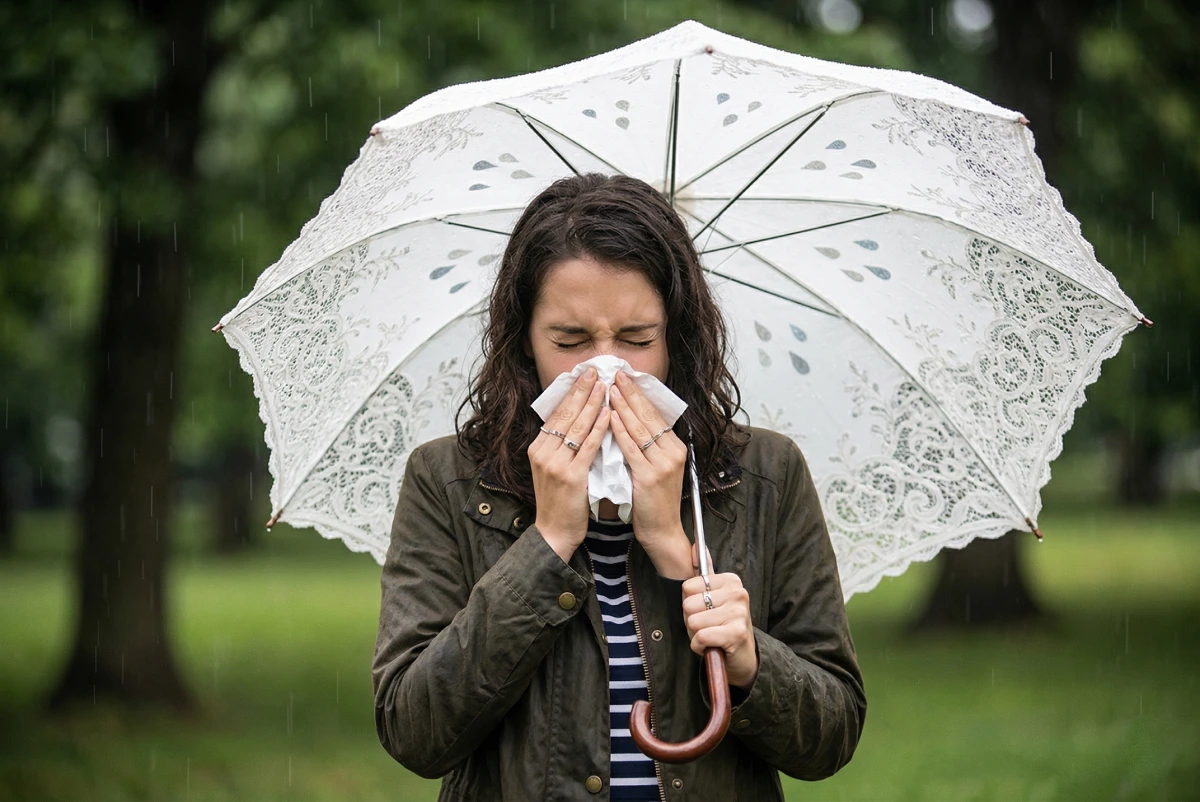
Why Do Allergies Get Worse During Rain?
If you’ve noticed your allergy symptoms flare up during a rainstorm, you’re not imagining it. While rain seems like it should wash pollen away, many allergy sufferers actually feel worse when it rains, and there are solid scientific reasons behind this.
The Pollen Bursting Phenomenon
Rain doesn’t always clear pollen from the air, especially when a storm first begins.
- When raindrops hit pollen grains, the moisture and impact cause them to burst into much smaller particles
- These fragments still contain the same allergy-triggering proteins
- Because they’re smaller, they stay airborne longer and spread more easily
- Tiny pollen particles can travel deeper into the airways and lungs, not just the nose and eyes
This is particularly problematic for people with allergic rhinitis and asthma, as it can trigger more intense respiratory symptoms.
Thunderstorm Asthma: A Serious Risk
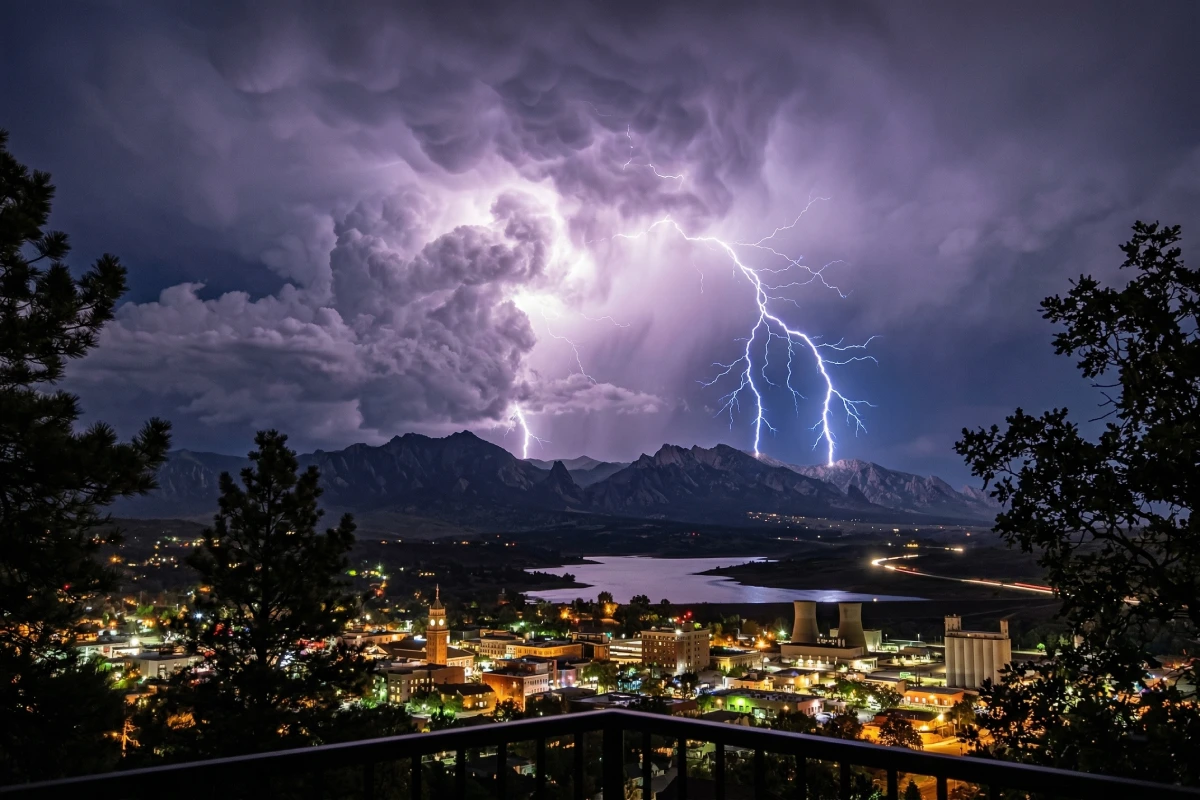
One of the most dangerous rain-related allergy reactions is thunderstorm asthma, which occurs during or shortly after a thunderstorm.
- Risk is highest when the storm first starts
- High humidity, strong winds, and rain cause pollen to break into microscopic particles
- Storm winds spread these allergens widely through the air
- When inhaled, they can reach the lower airways, triggering severe asthma attacks
Even people with well-controlled asthma can experience sudden, serious symptoms. If you have both asthma and seasonal allergies, extra caution during storms is essential. About 95% of people with asthma also have seasonal allergies, making this a widespread concern.
Increased Mold Growth After Rain
Rain also creates ideal conditions for mold growth, another major allergy trigger.
- Mold thrives in damp, humid environments
- After rain, mold grows quickly on leaves, soil, plants, and inside homes
- Mold spores become airborne and cause allergy symptoms similar to pollen
In humid climates like Austin, mold allergies can persist year-round but often worsen during and after heavy rainfall.
📖 People also read about:
Barometric Pressure Changes
Storms bring changes in air pressure that can affect your sinuses.
- Falling barometric pressure causes sinus swelling and inflammation
- This leads to increased congestion, headaches, and facial pressure
- Combined with higher allergen levels, symptoms can feel significantly worse
How to Protect Yourself During Rainy Weather
Knowing why rain makes allergies worse is one thing, but protecting yourself is what really matters. Here are some practical ways to feel better:
Stay Indoors During Storms: Your best bet for avoiding rain-burst pollen is staying inside during rainstorms, especially when they start. Keep your windows closed so allergens can’t get into your home.
Keep Taking Your Allergy Medications: Don’t stop your regular allergy medications just because you think rain might help. Staying consistent with antihistamines or other prescribed treatments keeps your immune system from going haywire.
Pre-treat Before Storms: If you have asthma and you know storms trigger your symptoms, use your rescue inhaler when a storm starts. Think of it like taking medicine before you exercise.
📖 People also read about:
Shower and Change Clothes: When you’ve been outside during or after rain, take a shower and put on fresh clothes as soon as you get home. This stops you from spreading pollen all over your house and bed.
Use Air Conditioning and Clean Filters: Keep your AC running and make sure your HVAC filters are clean. This filters out allergens trying to sneak indoors and keeps your air quality better.
Living in Austin: Year-Round Allergy Struggles.
Austin brings unique problems for people with allergies. Between our diverse plants and year-round pollen cycles (winter cedar fever, spring oak pollen, summer grasses, and fall ragweed), there’s almost never a break.
💡 Need help?
We offer professional environmental allergies to help you achieve your goals.
Throw in unpredictable weather and frequent storms, and managing allergies gets even tougher. Check our Austin allergy report to stay informed about current pollen levels.
That’s why professional allergy care makes such a difference. Instead of just treating symptoms when they pop up, working with an allergy specialist helps you figure out your specific triggers through testing and build a treatment plan that actually works for you.

Take Control of Your Allergy Symptoms
You don’t have to let rainy weather control how you feel. Now that you know why rain makes allergies worse, you can take real steps to protect yourself. Whether that’s staying indoors during storms, keeping up with your medications, or looking into long-term treatments, you have options that work.
If you’re sick of suffering every time it rains, it’s time to do something about it. At Frontier Allergy, Asthma and Immunology, Dr. Neha Reshamwala and her team help people in the Austin area find real, lasting relief from seasonal allergies, asthma, and immune system problems.
Ready to breathe easier, rain or shine? Call Frontier Allergy, Asthma and Immunology at (512) 535-2655 to schedule your allergy evaluation today.

Written/Reviewed by: Dr. Neha Reshamwala
NPI number: 1780874578
Page last reviewed: 03/26/2026