

 All blog posts

Can Allergies Cause Throwing Up? Causes, Symptoms, and Treatment
If you’ve ever wondered whether your allergies could be making you nauseous or causing you to throw up, you’re not alone. Many people don’t realize that allergies can affect more than just their nose and eyes.
The short answer is yes – allergies can cause throwing up, though it depends on the type of allergy and how your body reacts to allergens. Knowing this connection can help you identify triggers and seek proper treatment from an experienced allergist in Austin.
Understanding the Connection Between Allergies and Vomiting
When your body encounters an allergen, your immune system springs into action, treating the harmless substance as a dangerous invader. This response triggers the release of histamine and other chemicals into your bloodstream, which can cause various symptoms throughout your body.
While most people associate allergies with sneezing, a runny nose, or itchy eyes, these immune system chemicals can also affect your digestive system.
Histamine can irritate your stomach lining, trigger nausea, and, in some cases, lead to vomiting. The severity of these gastrointestinal symptoms depends on the type of allergen and your individual sensitivity.
Food allergies are the most common culprit when it comes to allergy-related vomiting, but environmental allergies can also cause nausea through mechanisms like postnasal drip, where excess mucus drains into your stomach and causes irritation.

Types of Allergies That Can Cause Nausea and Vomiting
Food Allergies
Food allergies are the primary type of allergy that causes vomiting. When you consume a food you’re allergic to, your immune system overreacts, releasing histamine and other chemicals that can trigger immediate gastrointestinal distress.
Common food allergens include:
peanuts, tree nuts, shellfish, fish, eggs, milk, soy, and wheat.
Symptoms typically appear within minutes to two hours after eating the trigger food. Along with nausea and vomiting, you might experience stomach cramps, diarrhea, hives, or swelling.
In severe cases, food allergies can lead to anaphylaxis, a life-threatening reaction that requires immediate medical attention.
Seasonal and Environmental Allergies
While less common, seasonal allergies can indirectly cause nausea and vomiting through postnasal drip. When you’re allergic to pollen, mold, dust, or pet dander, your body produces excess mucus that drains down the back of your throat.
This mucus can accumulate in your stomach, causing irritation that leads to queasiness or vomiting.
You might notice these symptoms are worse in the morning after mucus has drained overnight, or during peak allergy seasons when pollen counts are high in the Greater Austin area.
Check out our Austin allergy report to stay informed about current pollen levels.
Medication Allergies
Some people experience allergic reactions to medications like antibiotics or pain relievers that affect the digestive system. These drug allergies can trigger nausea and vomiting as your body attempts to reject the allergenic substance.
Can Allergies Cause an Upset Stomach?
Yes. An upset stomach is one of the most common digestive symptoms linked to allergies, and it doesn’t always mean vomiting. It can show up as nausea, stomach cramps, bloating, gas, or loose stools. What causes it depends on the type of allergy you have.
📖 People also read about:
Why Allergies Can Upset Your Stomach
- Food allergies: When you eat a food you’re allergic to, your immune system releases histamine and other chemicals that irritate the digestive tract. This can cause stomach cramps, nausea, and diarrhea, usually within minutes to two hours of eating. It often happens alongside hives, itching, or swelling. Learn more about food allergies.
- Postnasal drip: Pollen, mold, dust, and pet dander make your body produce extra mucus. When that mucus drains down your throat and is swallowed, it can irritate your stomach and leave you feeling queasy, especially in the morning. This is common during peak seasonal allergies.
- Eosinophilic esophagitis (EoE): This is an allergic condition in which immune cells build up in the esophagus, often in response to certain foods. It can cause stomach pain, nausea, heartburn, or trouble swallowing. If these symptoms keep returning, an allergist can help find the cause.
- Allergy medications: Some oral antihistamines and decongestants can cause nausea or stomach discomfort in some people. Check the label or ask your pharmacist whether your medicine should be taken with food.
Food Allergy vs. Food Intolerance
Not every stomach problem after eating is an allergy. A food intolerance, such as lactose intolerance, is a digestive issue and does not involve the immune system. The two can feel similar, but there are key differences:
- Food allergy: Symptoms start quickly, can include hives, swelling, or trouble breathing, and can be dangerous even with a tiny amount of the food.
- Food intolerance: Symptoms are usually limited to bloating, gas, cramps, or diarrhea, often come on more slowly, and depend on how much you eat.
Celiac disease is also different from a wheat allergy. It is an autoimmune condition, not an allergy. If you’re unsure which one you’re dealing with, testing is the only reliable way to know. See our guides on foods to avoid with a dairy allergy and foods to avoid with a gluten allergy.
How to Ease an Allergy-Related Upset Stomach
- Stop eating the food you suspect and avoid it until you’ve been tested
- Sip water or clear fluids in small amounts to stay hydrated
- Stick to bland, easy-to-digest foods until your stomach settles
- If postnasal drip is the cause, a saline nasal rinse and proper treatment of your allergies can reduce the mucus that reaches your stomach
- Keep a simple food and symptom diary to share with your allergist
If an upset stomach comes with hives, swelling of the lips or tongue, trouble breathing, or dizziness, treat it as a possible anaphylactic reaction and seek emergency care right away.
When to See an Allergist
Book an evaluation if your stomach upset keeps happening after certain foods, flares up during allergy season, or has no clear cause. An allergist can use skin testing or blood testing to find out whether an allergy is behind your symptoms and build a plan to manage it.
📖 People also read about:
How to Tell If Your Vomiting Is Allergy-Related Distinguishing allergy-related nausea from other causes involves looking at the bigger picture. If your vomiting is due to allergies, you’ll typically notice other allergic symptoms alongside the gastrointestinal issues.
Signs Your Vomiting May Be Allergy-Related:
- Symptoms appear shortly after eating specific foods or exposure to allergens
- Accompanied by hives, itching, swelling, or skin rashes
- Respiratory symptoms like sneezing, congestion, or wheezing occur at the same time
- Itchy or watery eyes appear simultaneously
- Symptoms worsen during specific seasons or in certain environments
Signs It Might Be Something Else:
- Accompanied by fever (suggests infection)
- Persistent abdominal pain without other allergy symptoms
- Symptoms that don’t correlate with allergen exposure
- Diarrhea lasting several days (could indicate food poisoning or gastrointestinal illness)
If you’re experiencing frequent nausea or vomiting without an obvious cause, consult with a healthcare provider to rule out other conditions.
💡 Need help?
We offer professional ragweed allergies to help you achieve your goals.
Seek Immediate Medical Attention If You Experience:
- Difficulty breathing or shortness of breath
- Swelling of the lips, tongue, or throat
- Rapid pulse or dizziness
- A feeling of impending doom
- Severe abdominal pain
These symptoms could indicate anaphylaxis, a life-threatening allergic reaction that requires emergency treatment with epinephrine.
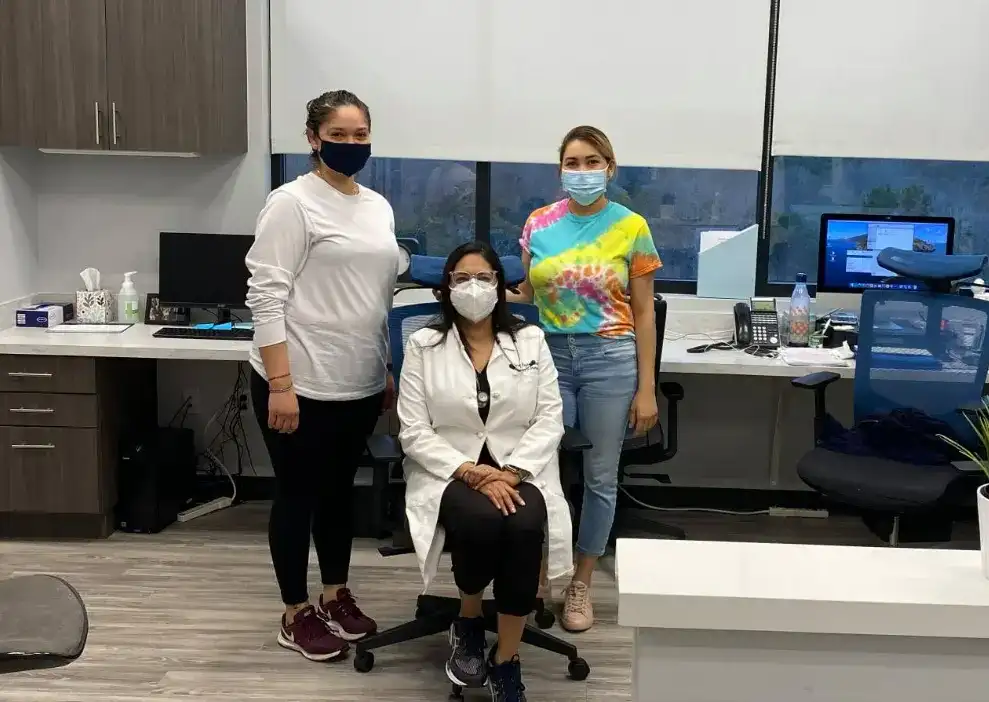
Treatment Options for Allergy-Induced Nausea:
Managing allergy-related vomiting starts with accurate identification of your triggers. Our Austin allergists use advanced diagnostic tools, including skin prick tests, blood tests, and oral food challenges, to pinpoint exactly what’s causing your symptoms.
Treatment approaches may include:
Allergen Avoidance: Once we identify your triggers, we’ll help you develop strategies to avoid exposure, including reading food labels, managing environmental allergens, and creating an emergency action plan.
Medications: Antihistamines can block the histamine response that causes nausea. For immediate relief during reactions, we may prescribe anti-nausea medications alongside your allergy treatment plan.
Immunotherapy: For long-term relief, allergy shots or sublingual immunotherapy (allergy drops) can gradually desensitize your immune system to specific allergens, reducing the frequency and severity of reactions over time.
Don’t let allergies control your life or keep you from enjoying your favorite foods.
Call (512) 535-2655 to schedule your allergy evaluation today. You can also book an appointment online at your convenience.

Written/Reviewed by: Dr. Neha Reshamwala
NPI number: 1780874578
Page last reviewed: 11/04/2026