
 All blog posts
What Helps Shortness Of Breath Due To Allergies?
Shortness of breath during allergy season can be frustrating and exhausting. Breathlessness, chest tightness, or that constant feeling of not getting enough air can make everyday activities difficult and draining. The good news is that by understanding why allergies trigger these symptoms and learning effective ways to manage them, you can find lasting relief and breathe easier.
At Frontier Allergy, we’re dedicated to helping patients find lasting relief from allergy-related conditions, including shortness of breath. Our team of experienced allergists takes the time to uncover the root causes of your symptoms through advanced testing and personalized treatment plans. Whether it’s seasonal allergies, asthma, or other triggers affecting your breathing, we’re here to provide compassionate care and effective solutions so you can enjoy life with confidence and comfort.
1. Why Allergies Cause Shortness of Breath
- Allergens like pollen, pet dander, mold, and dust often trigger inflammation in your airways.
- The immune system reacts to harmless particles as threats.
- This causes swelling in your nose, throat, and lungs.
- Narrowed airways make breathing feel labored and tiring.
2. Understanding the Allergy-Breathing Link
- Airborne triggers such as seasonal pollen or indoor allergens like dust mites can lead to sudden chest tightness.
- Allergies sometimes develop into allergic asthma, causing wheezing and long-term breathing problems.
- Pinpointing the exact allergen is crucial for lasting relief.
3. Common Allergens Behind Breathing Difficulties
- Seasonal: Tree pollen, ragweed (common in spring and fall).
- Year-round: Dust mites, mold.
- Indoor: Pet dander, cockroach particles.
- Identifying whether your triggers are seasonal or constant helps guide treatment.
4. How Allergies Affect the Respiratory System
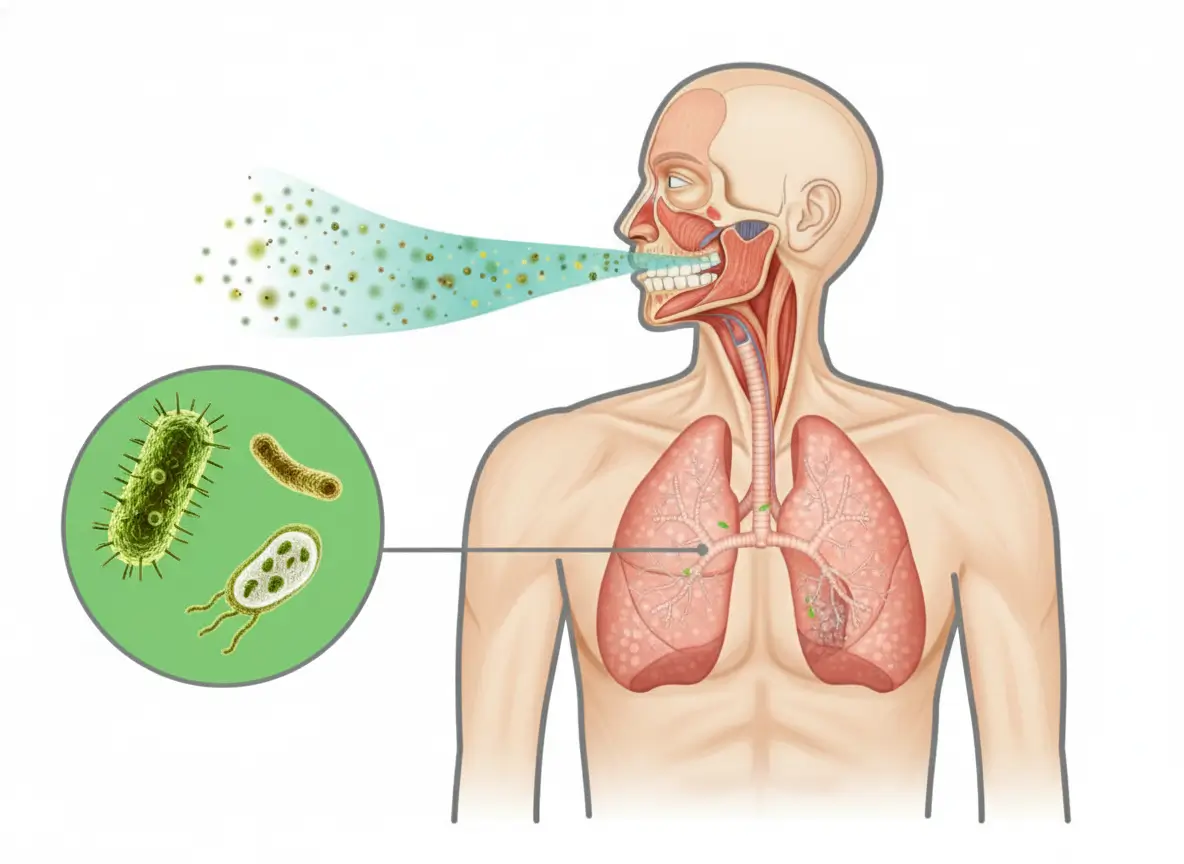
- Allergens do more than cause sneezing. They cause deep airway inflammation.
- The immune response tightens airways, limiting airflow.
- Even mild exposure can make simple breaths feel like a struggle.
5. Key Allergy-Related Respiratory Conditions
- Allergic Rhinitis: Can cause nasal congestion and chest tightness.
- Allergic Asthma: Persistent inflammation leading to wheezing and difficulty breathing.
- Accurate diagnosis distinguishes between the two and ensures proper treatment.
6. Diagnosis and Evaluation
Clinical Assessment
- Review of symptoms and medical history.
- Breathing tests, like spirometry to assess lung function.
Allergy Testing
- Skin prick tests and blood tests to find exact triggers.
- Assessment for other conditions like asthma or COPD.
Why It Matters
- Conditions like bronchitis, heart strain, or anxiety can mimic allergy symptoms.
- Accurate diagnosis prevents mismanagement and ensures proper care.
7. When to Seek Emergency Help
- Rapid breathing, severe chest pain, dizziness, or fainting.
- Nighttime attacks wake you up gasping for air.
- Immediate medical attention can save lives.
8. Treatment Options for Allergy-Induced Shortness of Breath
Short-Term Relief
- Antihistamines: Reduce allergic reactions quickly.
- Decongestants: Open nasal passages for better airflow.
- Bronchodilators: Relax airways for immediate relief (inhalers).
Long-Term Control
- Inhaled Corticosteroids: Reduce airway inflammation.
- Leukotriene Blockers: Prevent inflammation triggers.
- Immunotherapy: Allergy shots or tablets retrain your immune system for lasting relief.
9. Home Remedies for Immediate Comfort
- Take warm, steamy showers to loosen congestion.
- Drink herbal teas like ginger or peppermint to soothe airways.
- Practice deep belly breathing to reduce chest tightness.
- Sleep with your head elevated to improve nighttime airflow.
10. Environmental & Lifestyle Adjustments
Create a Safe Home Environment
- Use HEPA filters in your bedroom and living spaces.
- Wash bedding weekly and use allergen-proof covers.
- Remove carpets to reduce dust buildup.
- Use air purifiers to reduce mold and pet dander indoors.
Healthy Daily Habits
- Exercise indoors during high pollen seasons.
- Avoid smoking and exposure to secondhand smoke.
- Manage anxiety with mindfulness or breathing exercises.
11. Nighttime Management Tips
- Sleep with your head slightly raised.
- Lie on your left side to help airflow into your lungs.
- Maintain a cool, dust-free bedroom.
- Use a rescue inhaler before bedtime if needed.
12. Nutrition and Supplements for Lung Health
Foods That Help
- Leafy greens, bananas, apples: Support lung and immune health.
- Yogurt: Boosts immunity (watch dairy if it worsens congestion).
- Omega-3 fats: From fish or flax, reduce airway inflammation.
Foods to Limit
- Dairy (if mucus thickens).
- Processed foods with sulfites.
- Excess salt and sugar can increase inflammation.
Hydration
- Drink plenty of water to keep mucus thin and airways clear.
13. Special Considerations for Children & Older Adults
- Children: Need liquid or chewable medications; close monitoring is essential.
- Older Adults: Require careful dose adjustments to protect the heart and kidneys.
- Emergency Response: Know first-aid steps for age-specific breathing issues.
14. Final Takeaway
Shortness of breath due to allergies can be managed with the right approach:
- Identify triggers.
- Use effective medications.
- Make home and lifestyle adjustments.
- Seek expert care for long-term relief.
With a personalized plan, breathing can become easy again—and every breath can bring peace of mind.
When Every Breath Feels Like a Battle
It gets old fast – waking up gasping for air or feeling like something invisible is pressing on your chest. You tweak your habits, clean more, maybe even eat differently, but still, the breathlessness lingers. It’s not just tiring – it’s frustrating.
📖 People also read about:
The truth is, once you know what triggers this struggle, the path forward becomes clearer. With the right support and expert care, you can start breathing easier – day and night – without constantly wondering what’s wrong.
📖 People also read about:
 Frontier Allergy" width="1227" height="702" srcset="https://www.frontierallergist.com/wp-content/uploads/2025/01/unnamed-2025-01-08T171952.690.webp 1227w, https://www.frontierallergist.com/wp-content/uploads/2025/01/unnamed-2025-01-08T171952.690-300x172.webp 300w, https://www.frontierallergist.com/wp-content/uploads/2025/01/unnamed-2025-01-08T171952.690-1024x586.webp 1024w, https://www.frontierallergist.com/wp-content/uploads/2025/01/unnamed-2025-01-08T171952.690-768x439.webp 768w" sizes="(max-width: 1227px) 100vw, 1227px" />
At Frontier Allergy, Asthma & Immunology, we get how scary and exhausting shortness of breath from allergies can feel, especially when it doesn’t let up. Let us help you find answers and lasting comfort – schedule an appointment today.
💡 Need help?
We offer professional www.frontierallergist.com to help you achieve your goals.
FAQs
How long can allergy-related shortness of breath last?
It can last a few minutes or persist for weeks if exposure continues without treatment.
Can sinus allergies or post-nasal drip cause shortness of breath?
Yes. Mucus dripping into the throat can irritate airways and cause chest tightness or shallow breathing.
What allergy medications help with chest tightness and wheezing?
Antihistamines, inhaled corticosteroids, and bronchodilators offer strong relief when prescribed together correctly.
What foods or juices help relieve breathlessness naturally?
Pineapple juice, ginger tea, and water-rich fruits like melons ease inflammation and mucus blockage.
How can you tell if breathlessness is due to anxiety or allergies?
If symptoms improve with allergy treatment but remain during stress, both may be involved. Testing helps separate them.
Best OTC allergy medicine according to Reddit reviews?
Montelukast (prescription), cetirizine, and fexofenadine are often praised for reducing both nasal and chest symptoms.

Written/Reviewed by: Dr. Neha Reshamwala
NPI number: 1780874578
Page last reviewed: 02/10/2026