
 All blog posts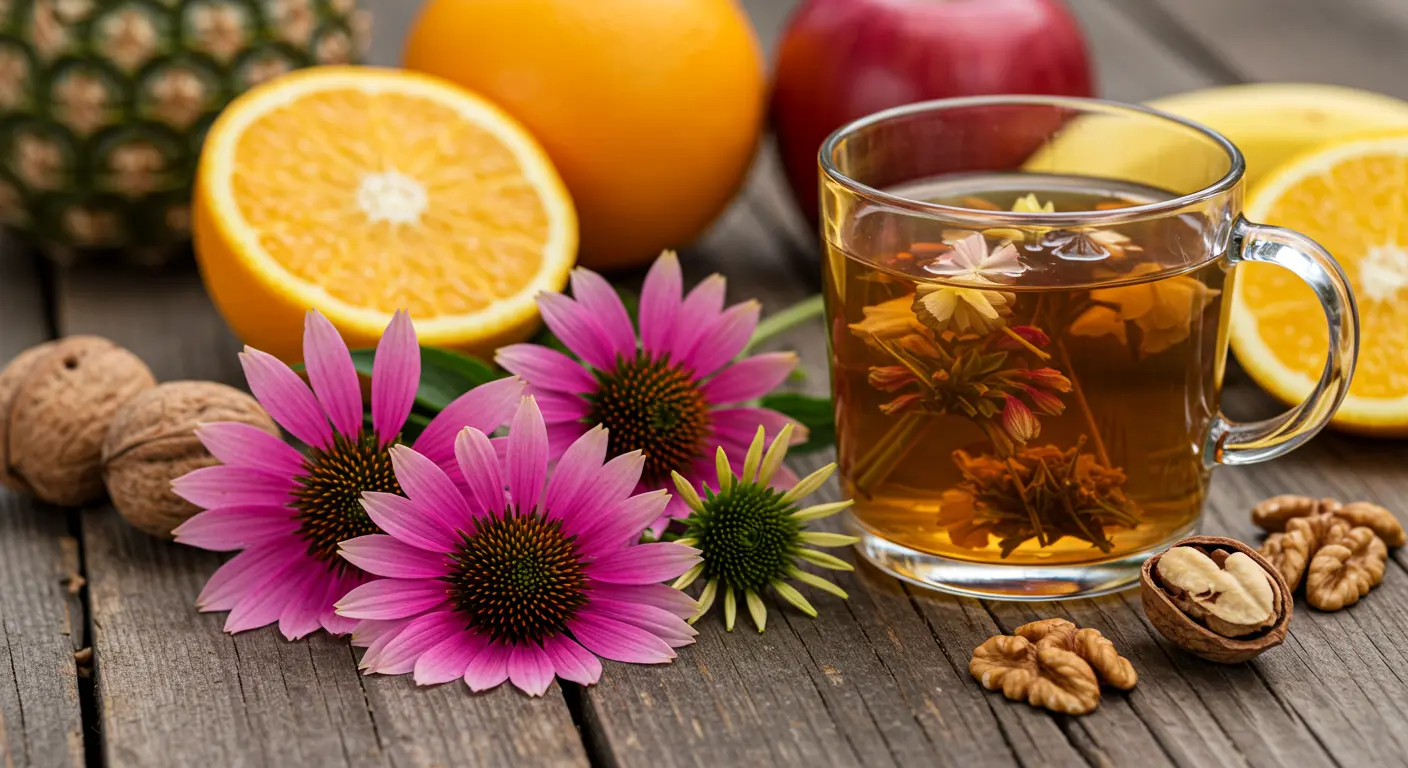
Are There Food Reactions for Echinacea? What You Need to Know
Echinacea is one of the most popular herbal supplements, widely known for its immune-boosting properties. But while many people swear by its benefits, others report adverse reactions after consuming it. Could echinacea trigger food-related reactions or allergies?
If you’ve ever taken echinacea and felt unwell afterward, you’re not alone. In this blog, we’ll explore whether echinacea can cause food reactions, who is at risk, and how to stay safe.
Understanding Echinacea and Its Uses
Echinacea, commonly known as the purple coneflower, is a flowering plant belonging to the Asteraceae family. It has been used for centuries in traditional medicine to treat infections, boost immunity, and reduce inflammation. Today, echinacea is commonly found in:
- Herbal teas
- Capsules and tablets
- Liquid extracts
- Topical creams
People take echinacea for various reasons, including:
- Reducing the severity and duration of colds
- Supporting immune function
- Combating respiratory infections
- Managing inflammatory conditions
However, just because something is natural doesn’t mean it’s completely safe for everyone. Some individuals experience food reactions when consuming echinacea, especially those with allergies to certain plants.
Can Echinacea Trigger an Allergic Reaction?
Yes, echinacea can cause allergic reactions in some individuals, particularly those who are sensitive to plants in the Asteraceae (daisy) family. This includes:
- Ragweed
- Chrysanthemums (mums)
- Marigolds
- Daisies
If you have hay fever or known allergies to these plants, your immune system might react similarly to echinacea. The severity of the reaction varies from mild to severe and may include:
- Skin rashes (itching, redness, or hives)
- Respiratory symptoms (sneezing, congestion, or difficulty breathing)
- Gastrointestinal distress (nausea, abdominal pain, or diarrhea)
- Anaphylaxis (a severe, life-threatening reaction requiring immediate medical attention)
If you have asthma or a history of anaphylactic reactions, taking echinacea could be risky and should only be done under medical supervision.
Food Reactions vs. Allergies: What’s the Difference?
Many people use the terms food reaction and allergy interchangeably, but they’re not the same.
- Food Allergy: A food allergy involves the immune system mistakenly identifying a harmless substance as a threat. This triggers an allergic response, which can be life-threatening in some cases.
- Food Sensitivity or Intolerance: A food reaction that is not immune-related, such as nausea or bloating, but still causes discomfort.
When it comes to echinacea, reactions are more commonly related to allergies rather than food intolerances. Since it’s not a typical dietary ingredient, most reactions are linked to the body’s immune response rather than digestive issues.
Cross-Reactivity: Why Some People React to Echinacea
Cross-reactivity happens when the proteins in one substance are similar to those in another, causing the immune system to react to both. People allergic to ragweed, chrysanthemums, daisies, or marigolds may react to echinacea due to protein similarities.
This means that if you experience seasonal allergies (hay fever), you may have a higher risk of reacting to echinacea. Cross-reactivity can cause symptoms such as:
- Sneezing and nasal congestion
- Itchy, watery eyes
- Skin irritation
- Digestive discomfort
If you’re unsure whether echinacea might trigger an allergic response, consider consulting an allergist in Austin for an allergy test.
Gastrointestinal Side Effects of Echinacea
Even if you don’t have an allergy, echinacea may still cause digestive issues in some individuals. Reported gastrointestinal side effects include:
- Nausea
- Stomach pain
- Diarrhea
- Cramping
These symptoms may result from the body’s difficulty digesting certain compounds in echinacea or from its stimulating effect on the immune system. In some cases, taking echinacea on an empty stomach can make these symptoms worse.
Who Should Avoid Echinacea?
Certain individuals should exercise caution or avoid echinacea altogether, including:
- People with Plant Allergies – If you’re allergic to ragweed, mums, marigolds, or daisies, you’re at higher risk of reacting to echinacea.
- Individuals with Asthma – Echinacea can worsen asthma symptoms in some individuals.
- Those with Autoimmune Disorders – Since echinacea stimulates the immune system, it could aggravate conditions like lupus or rheumatoid arthritis.
- People Taking Immunosuppressants – If you take medications that suppress the immune system (such as after an organ transplant), echinacea may interfere with their effectiveness.
- Pregnant or Breastfeeding Women – Research on echinacea’s safety during pregnancy and breastfeeding is limited, so it’s best to consult a healthcare provider before use.
How to Minimize the Risk of Food Reactions from Echinacea
If you’re considering taking echinacea, follow these guidelines to reduce the risk of adverse effects:
- Check for Allergies First – If you’re prone to plant allergies, consult a doctor before trying echinacea.
- Start with a Small Dose – Begin with a low dose and monitor for any symptoms.
- Opt for High-Quality Products – Choose echinacea from reputable brands to ensure purity.
- Take with Food – This may help reduce gastrointestinal discomfort.
- Monitor Your Symptoms – If you experience any adverse effects, discontinue use immediately.
- Consult an Allergist – If you suspect an allergic reaction, seek professional medical advice.
What Are the Alternatives to Echinacea?
If you’re looking for immune support but want to avoid echinacea, consider these alternatives:
- Vitamin C – A well-known immune booster found in citrus fruits.
- Zinc – Helps reduce the severity and duration of colds.
- Elderberry – A popular alternative with antiviral properties.
- Probiotics – Supports gut health, which plays a role in immune function.
- Garlic – Known for its antimicrobial and immune-supporting properties.
These alternatives can offer immune benefits without the risk of allergic reactions linked to echinacea.
Have You Had a Reaction to Echinacea?
While echinacea is a popular natural remedy, it’s important to recognize the potential risks, especially for those with allergies to plants in the daisy family. If you experience any adverse reactions, discontinue use and seek medical advice.
If you suspect you have an allergy or food reaction to echinacea, consider reaching out to an allergist in Austin for expert guidance.

Written/Reviewed by: Dr. Neha Reshamwala
NPI number: 1780874578
Page last reviewed: 04/15/2026