
 All blog posts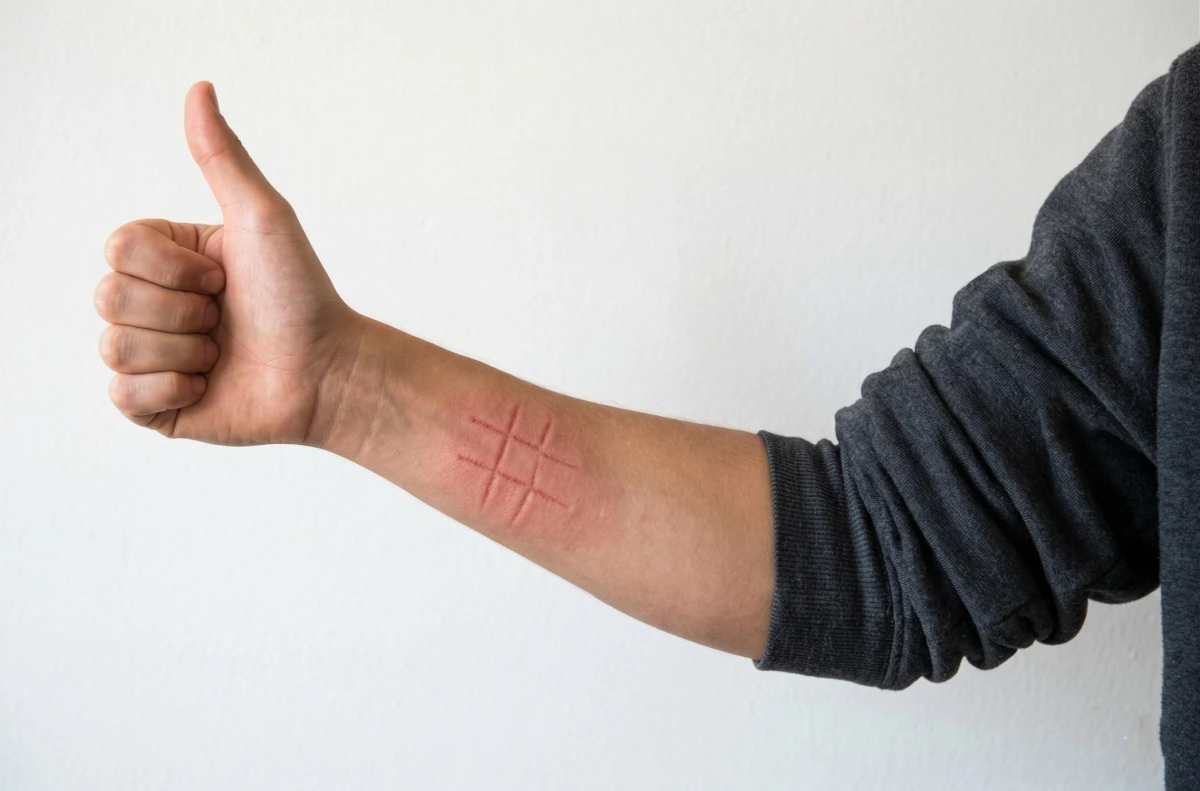
How Long Does Dermographism Last?
You notice raised red marks on your arm after scratching an itch, and they look almost like you’ve drawn on your skin with a pen. Within 20 minutes, they’re gone. If this sounds familiar, you might be experiencing dermographism, a common skin condition that affects up to 5% of the population. But how long does dermographism actually last?
The answer isn’t as simple as you might think. Dermographism has two different timelines: how long each individual reaction lasts and how long you’ll have the condition overall. Let’s break down both so you know what to expect.
How Long Each Reaction Lasts
When you experience a dermographism reaction, the raised welts and redness typically appear within minutes of scratching or applying pressure to your skin. The good news? These individual symptoms are short-lived.
Most reactions resolve within 30 minutes without any treatment. In rare cases, symptoms may last for a few hours, but this is uncommon. The marks will fade on their own as the histamine released from mast cells in your skin naturally dissipates.
Think of it like this: each episode is temporary, but the tendency to develop these reactions can stick around much longer.
How Long Does the Condition Itself Last
While individual symptoms are fleeting, dermographism as a condition can persist for months or even years. This is where the timeline gets more complex and varies significantly from person to person.
Research shows that symptomatic dermographism typically lasts an average of six years, though some people experience it for a shorter or longer duration. About 30% of people find their symptoms resolve within five years, while others may live with the condition for a decade or more.
The unpredictable nature of dermographism can be frustrating, but most people see their condition improve over time, even without treatment.
What Affects the Duration
Several factors can influence both the frequency of your reactions and how long you’ll have dermographism:
Triggers and Lifestyle Factors
Your daily habits and environment play a big role. Common triggers include stress, hot or cold weather, tight clothing, exercise, and warm water or steam. The more you can identify and avoid your personal triggers, the fewer episodes you may experience.
📖 People also read about:
Underlying Causes
While the specific cause of dermographism remains unknown, certain factors can contribute to its persistence. These include allergic reactions to foods or environmental allergens, medications (including antibiotics and painkillers), skin infections, autoimmune disorders, and hormonal changes. Addressing these underlying issues may help shorten the condition’s duration.
Age and Demographics
Dermographism most commonly affects younger adults and may be more prevalent in women. It can develop at any age but often begins in young adulthood.
When Symptoms Start to Improve
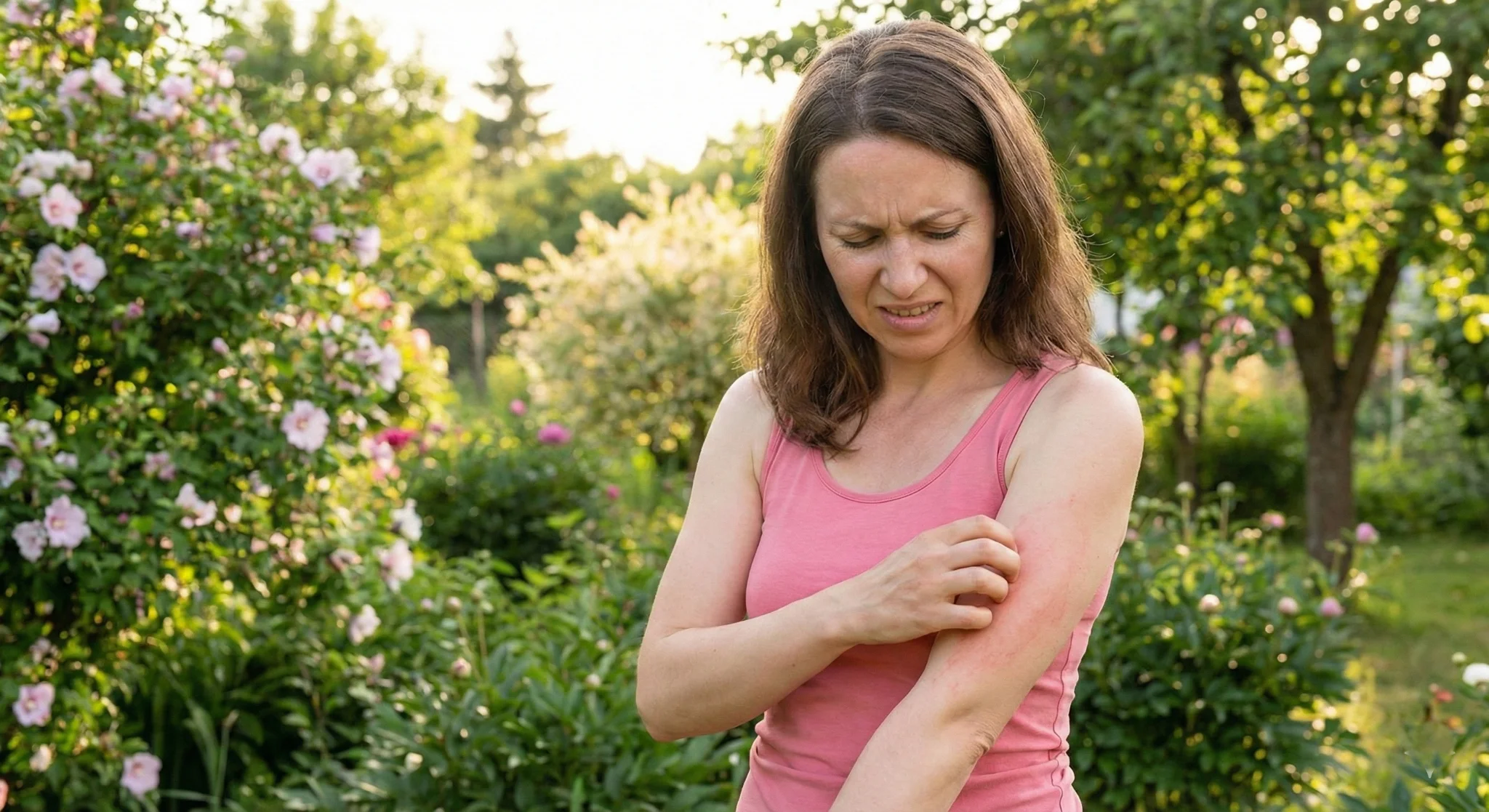
Many people wonder if dermographism ever goes away on its own. The answer is yes, it often does. Most cases gradually improve over time, with symptoms becoming less frequent or less severe.
You might notice that your skin becomes less reactive as months pass. What once caused immediate welts may produce a milder response, or you may need more pressure to trigger a reaction. These are positive signs that your condition is improving.
Symptoms can also fluctuate. You might experience periods where dermographism is barely noticeable, followed by flare-ups during times of stress or illness. This pattern is completely normal.
📖 People also read about:
Managing Dermographism in Austin
Living in Austin presents unique challenges for dermographism patients. Our Texas heat and humidity can trigger symptoms, as can the region’s notorious allergens like cedar and oak pollen. Recognizing these local factors helps with better management.
Dr. Neha Reshamwala at Frontier Allergy Asthma and Immunology specializes in treating dermographism and other skin-related allergic conditions. With board certification in Allergy and Immunology and fellowship training from Stanford University, Dr. Reshamwala brings extensive expertise to help Austin residents manage their symptoms.
Treatment Options That Help
While dermographism may resolve on its own, you don’t have to suffer in the meantime. Several treatment approaches can significantly reduce symptoms:
Antihistamines are the most common and effective treatment. Daily use of non-sedating antihistamines can prevent or minimize reactions. Your allergist can recommend the best option for your specific situation.
💡 Need help?
We offer professional www.frontierallergist.com to help you achieve your goals.
Skin care practices also make a difference. Using non-allergenic moisturizers daily helps protect your skin barrier. Avoiding harsh soaps, wearing loose-fitting clothing, and managing stress levels can all reduce the frequency and severity of reactions.
Avoiding triggers remains one of the most effective strategies. Keep a symptom diary to identify what sets off your reactions, then work with your allergist to develop an avoidance plan.

Take Control of Your Skin Health
Knowing how long dermographism lasts, both in the short term and long term, helps you make better decisions about your care. While individual reactions may only last 30 minutes, the condition itself typically improves over months to years.
If you’re experiencing dermographism symptoms in the Austin area, don’t wait to seek expert care. The team at Frontier Allergy Asthma and Immunology can diagnose your condition, identify triggers, and develop a personalized treatment plan to help you manage symptoms.
Ready to take the next step?
Call (512) 535-2655 to schedule an appointment with Dr. Reshamwala today. You can also book an appointment online for your convenience. Let’s work together to minimize your symptoms and improve your quality of life.

Written/Reviewed by: Dr. Neha Reshamwala
NPI number: 1780874578
Page last reviewed: 03/26/2026