

 All blog posts
How Long Does A Pollen Allergy Last
If you are dealing with itchy eyes, constant sneezing, or a stuffy nose, you may be wondering how long a pollen allergy actually lasts. The timeframe depends on the type of pollen triggering your symptoms, but many Texans experience issues for several weeks at a time, especially during heavy pollen seasons. Some people only react for a short stretch, while others deal with symptoms for months if multiple pollen types overlap.
Pollen allergies are extremely common across Texas due to long growing seasons, warm weather, and regional plant varieties. Understanding how long symptoms last can help you plan ahead, manage flare-ups, and know when to seek help from specialists.
How Long Do Different Pollen Seasons Last in Texas
Texas is unique because its climate supports a long stretch of plant growth. This leads to multiple pollen seasons throughout the year, not just in spring. The duration of your allergy typically aligns with the pollen season to which you are sensitive.
Spring Pollen
Spring typically runs from late February through May in most Texas regions. Trees are the biggest contributors, especially oak, cedar elm, pecan, ash, cottonwood, and pine. If tree pollen is your main trigger, symptoms can last anywhere from four to ten weeks, depending on the weather.
Summer Pollen
Grass pollen peaks from April through September in Texas. Bermuda, Bahia, and Timothy grass are especially common triggers. If grass pollen affects you, relief may not come until early fall. Symptoms can last several months.
Fall Pollen
Ragweed is the major problem in Texas during late summer and fall. The ragweed season generally runs from August through November. If you react strongly to ragweed, you may be uncomfortable for as long as three months.
Winter Pollen
Unlike many states, Texas also has winter allergies. Mountain cedar is one of the biggest culprits and causes the well-known condition called cedar fever. Cedar pollen season typically lasts from December through February. Symptoms can range from mild to severe and often impact people for the full season.
Why Some People Experience Longer Symptoms
Not everyone reacts the same way, even during the same pollen season. Several factors can lengthen symptoms:
1. Multiple Pollen Sensitivities
If you react to more than one type of pollen, your symptoms may continue from early spring until the end of fall with very little break in between.
2. High Pollen Counts
Texas can experience extremely high pollen levels, especially near wooded or rural areas. During high count days, symptoms worsen and may linger longer.
3. Weather Conditions
Warm winters, early springs, and long summers extend the growing season, which means pollen remains in the air longer.
4. Untreated Allergies
If you rely only on basic over-the-counter relief and symptoms persist, the allergy may feel like it lasts longer than it should. Proper treatment can shorten flare-ups.
How Long Does an Allergy Flare-Up Last
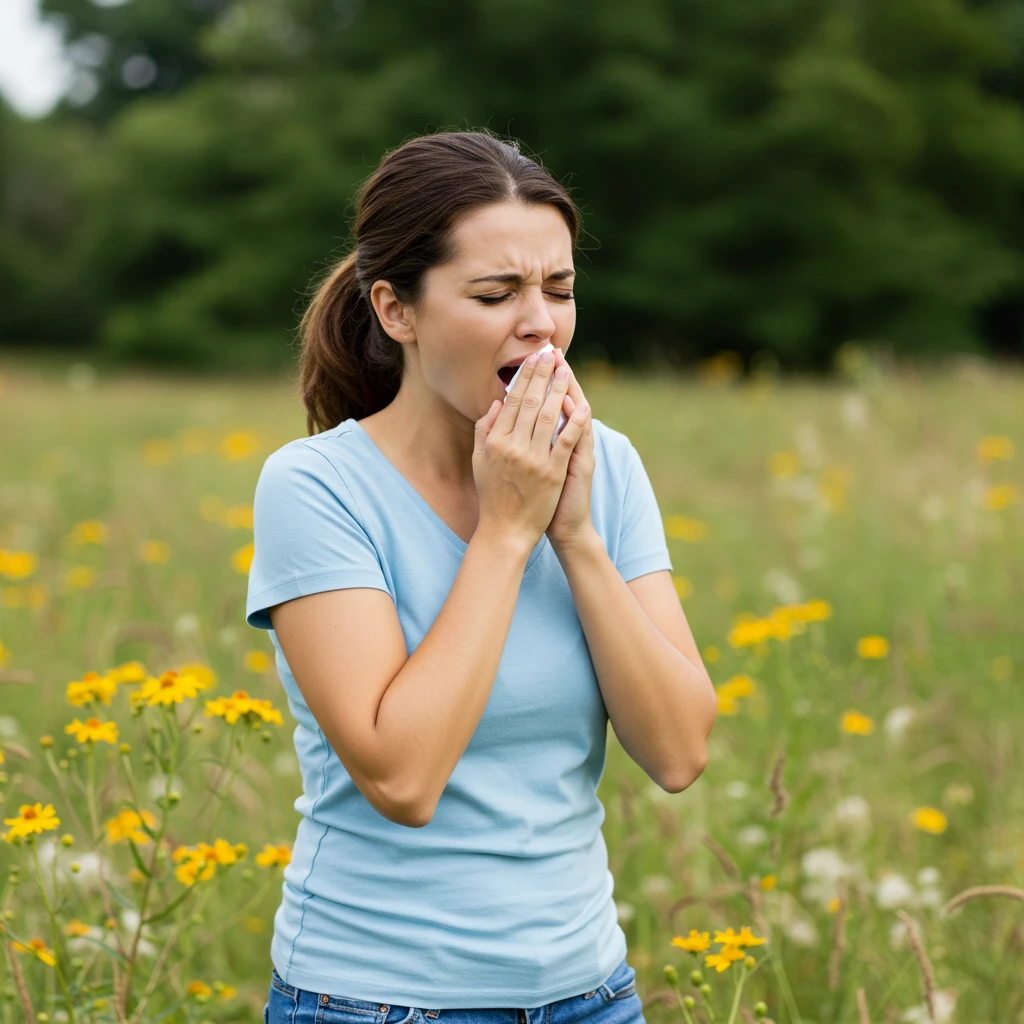
Even during pollen season, your symptoms may not stay constant. A flare-up can last anywhere from a few days to a couple of weeks, depending on exposure levels. Rainy days may offer short-term relief, but windy days often trigger stronger reactions.
If a flare-up lasts more than two weeks, even with treatment, it may be time to get evaluated by an allergy specialist.
Looking for expert guidance? Frontier Allergy can help you understand your triggers and start feeling better again.
How To Reduce the Length of Pollen Allergy Symptoms
You may not be able to stop pollen season, but you can shorten the time you feel miserable by using effective strategies.
1. Track Local Pollen Counts
Texas cities provide daily pollen reports. Avoid outdoor activities during peak hours and keep windows closed on high-count days.
2. Start Medication Before Symptoms Begin
Taking antihistamines or using nasal sprays before the season starts can drastically reduce flare-ups.
3. Shower After Being Outdoors
Pollen sticks to clothing, hair, and skin. A quick shower can prevent extended exposure.
4. Use Air Purifiers
HEPA filters help remove airborne pollen inside your home.
5. Consider Immunotherapy
Allergy shots or sublingual treatments can reduce your sensitivity over time. Many Texans choose immunotherapy for long-term relief, especially when multiple pollen seasons affect them.
For personalised allergy solutions, Frontier Allergy offers testing and treatment options for families across Texas.
When To See a Specialist
You should consider scheduling an appointment if:
- Symptoms last longer than expected
- Over-the-counter medications do not work
- You are unsure what type of pollen is causing your reaction
- You experience recurring infections from congestion
- You struggle to sleep or work due to ongoing discomfort
Our allergy specialist in Austin can pinpoint triggers, offer targeted treatment, and help shorten your allergy duration each year.
The Way Forward
Pollen allergies in Texas can last anywhere from a few weeks to several months, depending on the season, the type of pollen, and your personal sensitivity.
Although you cannot control the weather or growing cycles, proper treatment and preventive steps can make allergy season far more manageable.
Ready for long-term relief? Schedule a visit with Frontier Allergy today and take control of your seasonal symptoms.

Written/Reviewed by: Dr. Neha Reshamwala
NPI number: 1780874578
Page last reviewed: