
 All blog posts
Can an Allergic Reaction Cause a Fever?
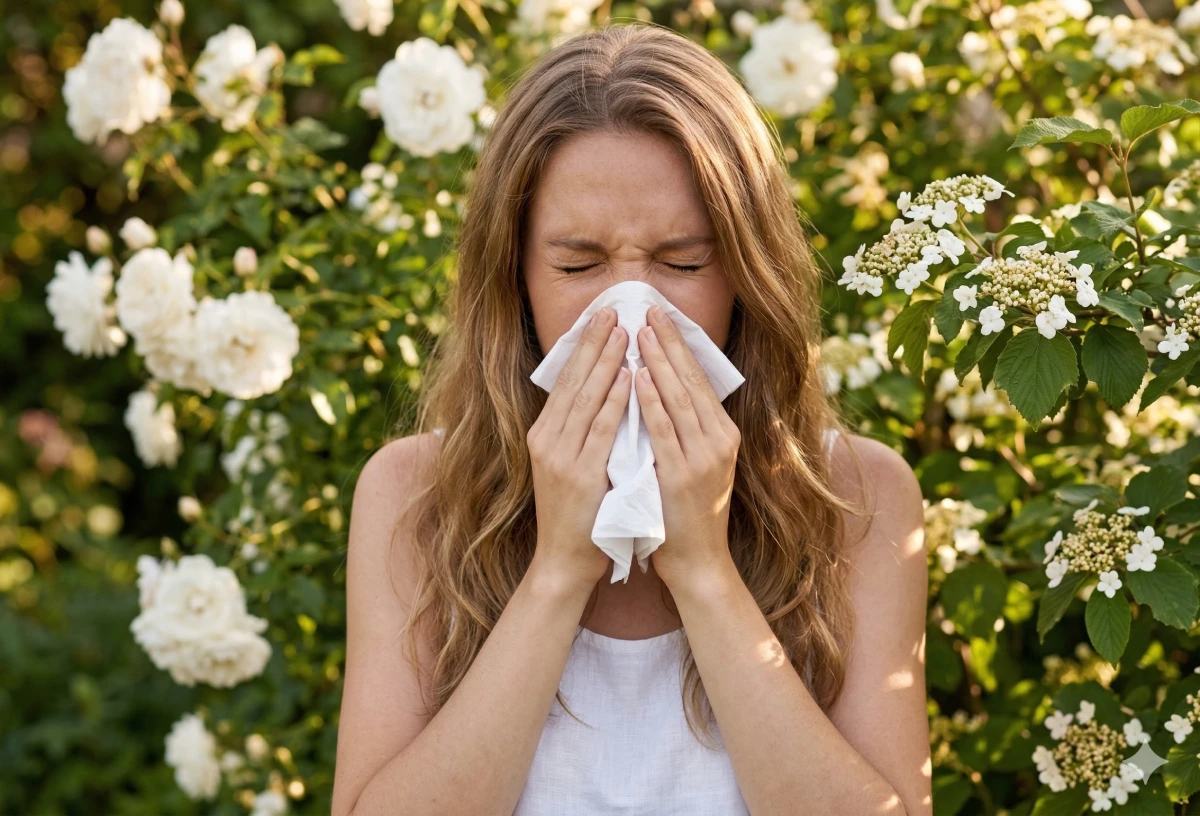
You step outside on a beautiful spring morning, ready to enjoy the fresh air. But within minutes, your nose starts to run, your eyes itch, and an uncontrollable sneezing fit begins. It’s allergy season again. As the symptoms persist, you start feeling warm and wonder, Could my allergies be causing a fever? It’s a common concern, especially for those dealing with seasonal allergies or severe allergic reactions.
Let’s break down the science behind allergic reactions and whether they can trigger a fever.
Understanding Allergic Reactions
An allergic reaction occurs when your immune system mistakenly identifies a harmless substance—such as pollen, dust mites, or pet dander—as a threat. To combat this perceived danger, the body releases chemicals like histamines, which trigger common allergy
symptoms, including:
- Sneezing
- Runny or stuffy nose
- Itchy, watery eyes
- Coughing
- Skin rashes or hives
These symptoms can range from mild to severe and typically occur soon after exposure to allergens. But despite the discomfort, standard allergic reactions don’t usually cause a fever.
Fever: The Body’s Natural Defense Mechanism
A fever is an increase in body temperature, typically in response to an infection. It’s a defense mechanism that helps your immune system fight off bacteria, viruses, or other harmful pathogens. Common causes of fever include:
- Bacterial infections
- Viral illnesses, such as the flu or common cold
- Heat exhaustion
- Certain inflammatory conditions
Unlike an infection, an allergic reaction does not involve bacteria or viruses, so in most cases, it won’t trigger a fever. However, there are exceptions where allergies and fever-like symptoms can be linked.
Can Allergies Cause a Fever? The Short Answer
In general, allergies do not directly cause a fever. The term “hay fever” can be misleading because it describes seasonal allergic rhinitis rather than an actual fever. According to medical experts, allergies alone do not lead to an elevated body temperature. However, allergies can make you more susceptible to secondary infections, which might cause a fever.
When Allergies Lead to Fever: Possible Scenarios
While an allergic reaction itself doesn’t typically cause a fever, there are situations where allergies and fever-like symptoms can overlap:
1. Sinus Infections (Sinusitis)
One of the most common ways allergies can indirectly lead to a fever is through a sinus infection. When allergies cause inflammation in the nasal passages, mucus can build up, creating a breeding ground for bacteria. If a bacterial infection develops, it can lead to sinusitis, which often presents with:
- Facial pressure or pain
- Thick nasal discharge (yellow or green in color)
- Fever
- Fatigue
If you experience these symptoms along with your allergies, you may have developed a secondary infection that requires medical attention.
2. Severe Allergic Reactions (Anaphylaxis)
In rare cases, a severe allergic reaction known as anaphylaxis can cause a spike in body temperature. Anaphylaxis is a life-threatening condition that requires immediate medical attention. Symptoms include:
- Difficulty breathing
- Swelling of the face, lips, or throat
- Rapid heartbeat
- Severe drop in blood pressure
- Confusion or loss of consciousness
Although fever isn’t a primary symptom of anaphylaxis, the extreme immune response may cause a slight rise in body temperature.
3. Allergy-Induced Inflammation and Immune Response
Prolonged exposure to allergens can trigger chronic inflammation in some individuals, which may result in mild fever-like symptoms, including fatigue and body aches. This is more common in individuals with conditions like allergic asthma, where inflammation in the respiratory system can make them more vulnerable to infections that cause fever.
How to Differentiate Between Allergies and an Infection
Because allergy symptoms and those of infections like colds, sinusitis, or the flu can overlap, it’s important to know how to distinguish between them:
|
Symptom |
Allergies |
Infection (Cold, Sinusitis, Flu) |
|
Fever |
No |
Yes |
|
Sneezing |
Yes |
Sometimes |
|
Runny nose |
Yes (clear) |
Yes (can be thick, yellow/green) |
|
Itchy eyes |
Yes |
Rarely |
|
Fatigue |
Mild |
Common |
|
Body aches |
No |
Yes |
|
Duration |
As long as exposed to allergens |
Typically 7-14 days |
If your symptoms include fever, chills, body aches, or thick nasal discharge, an infection is more likely the cause rather than allergies alone.
Managing Allergies to Prevent Complications
Since allergies can contribute to conditions that cause fever, taking proactive steps to manage them is crucial. Here’s how:
1. Reduce Allergen Exposure
- Keep windows closed during high pollen seasons.
- Use air purifiers to remove allergens like dust mites and pet dander.
- Wash bedding regularly in hot water to kill allergens.
2. Take Medications as Needed
- Use antihistamines to control allergy symptoms.
- Try nasal sprays to reduce inflammation.
- For severe allergies, consult a doctor about long-term treatment options.
3. Boost Your Immune System
- Eat a balanced diet rich in vitamins and antioxidants.
- Stay hydrated to keep your nasal passages clear.
- Get enough sleep to support overall immune function.
By effectively managing your allergies, you can reduce the likelihood of secondary infections and improve your overall well-being.
When to See an Allergist
If you’re struggling with allergy symptoms that don’t improve with over-the-counter treatments, or if you frequently develop sinus infections, it may be time to see an allergist in Austin or your local area. An allergist can perform tests to determine what’s triggering your symptoms and recommend targeted allergy treatments, including:
- Antihistamines to reduce symptoms like sneezing and itching
- Nasal corticosteroids to decrease inflammation
- Immunotherapy (allergy shots) to build long-term tolerance to allergens
Getting professional guidance can help prevent complications, such as frequent infections that might lead to fever.

Written/Reviewed by: Dr. Neha Reshamwala
NPI number: 1780874578
Page last reviewed: 04/23/2026