
 All blog posts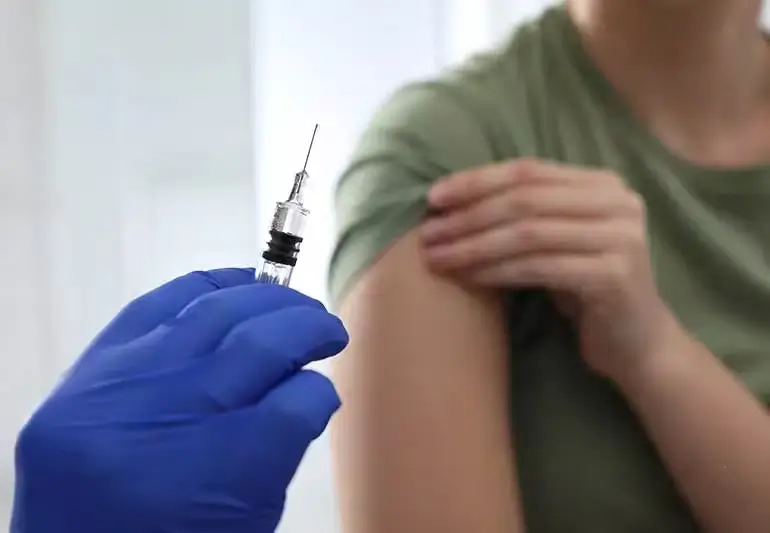
Are Allergy Drops As Effective As Allergy Shots?
If you live in Austin, you already understand: cedar season hits, and suddenly everyone is miserable. Tissues everywhere, itchy eyes, endless sneezing.
Most people who walk into my office have tried every over-the-counter medication out there and are ready for something that actually works long-term.
How both treatments work
Both allergy shots (subcutaneous immunotherapy, or SCIT) and allergy drops (sublingual immunotherapy, or SLIT) do the same basic thing: they slowly train your immune system to stop overreacting to things like cedar, oak, ragweed, dust mites, or pet dander.
The difference is delivery:
- Shots are given in the arm in the office with gradually increasing doses.
- Drops are a small amount of liquid you place under your tongue each morning at home.
So which one is more effective?
Large studies and my own clinical experience over the last decade show:
- Allergy shots typically produce slightly greater symptom reduction, usually in the 80–85% range.
- Allergy drops usually land in the 60–75% improvement range.
That gap sounds big on paper, but in real life it often doesn’t feel that dramatic. Many patients on drops go from being completely sidelined during pollen season to functioning normally with minimal or no medication. For most people, that’s a huge win.
Where drops often make the most sense
- Children and teenagers (most kids handle drops without complaint; shots, not so much).
- Anyone with a fear of needles.
- Busy parents or professionals who don’t want weekly or monthly office visits after the initial phase.
- Patients who value the added safety margin, serious reactions with drops are exceedingly rare.

Where shots still have the edge
- Severe or poorly controlled asthma along with allergies.
- Certain mold allergies.
- Patients who want the maximum possible reduction in symptoms and are comfortable coming in for injections.
The factor no one talks about enough: sticking with it
Both treatments require 3–5 years for the full, long-lasting benefit. The dropout rate with shots is higher because of the time commitment and needles.
Patients on drops tend to complete therapy more often. In my practice, finishing the full course is the single biggest predictor of success, more important than the 10–15% difference in average improvement.
📖 People also read about:
What the research says in plain numbers
- Grass pollen allergies: drops and shots are nearly equal.
- Dust-mite allergies: drops perform extremely well (sometimes matching shots).
- Tree pollens (cedar, oak, pecan): shots still lead slightly, but drops help the majority of patients dramatically.
The bottom line
Allergy drops are not identical to shots, but they are absolutely effective, safe, and life-changing for the majority of people who use them.
For mild-to-moderate allergies, the convenience and excellent safety profile often make drops the better real-world choice. For the most severe cases, shots remain the gold standard.
Either way, both are far better than suffering year after year.
📖 People also read about:
If you’re tired of planning your life around pollen counts and medication side effects, let’s figure out the best plan for you.
💡 Need help?
We offer professional allergy drops to help you achieve your goals.

At Frontier Allergy Asthma and Immunology, we’ve been helping Austin families breathe easier since 2012. Whether drops, shots, or a combination turns out to be right for you, we’ll guide you every step of the way with clear explanations and personalized care.
Ready to get started? Give us a call or schedule online, we’d love to help you enjoy Austin’s outdoors again.

Written/Reviewed by: Dr. Neha Reshamwala
NPI number: 1780874578
Page last reviewed: 02/10/2026